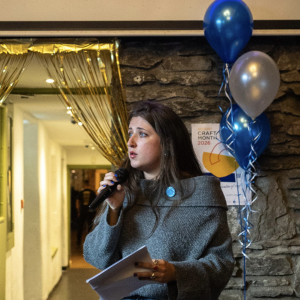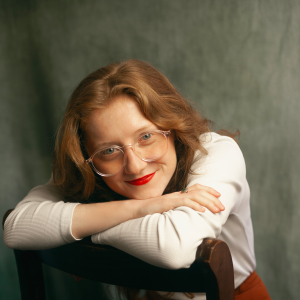
Desima-Jayne Connolly
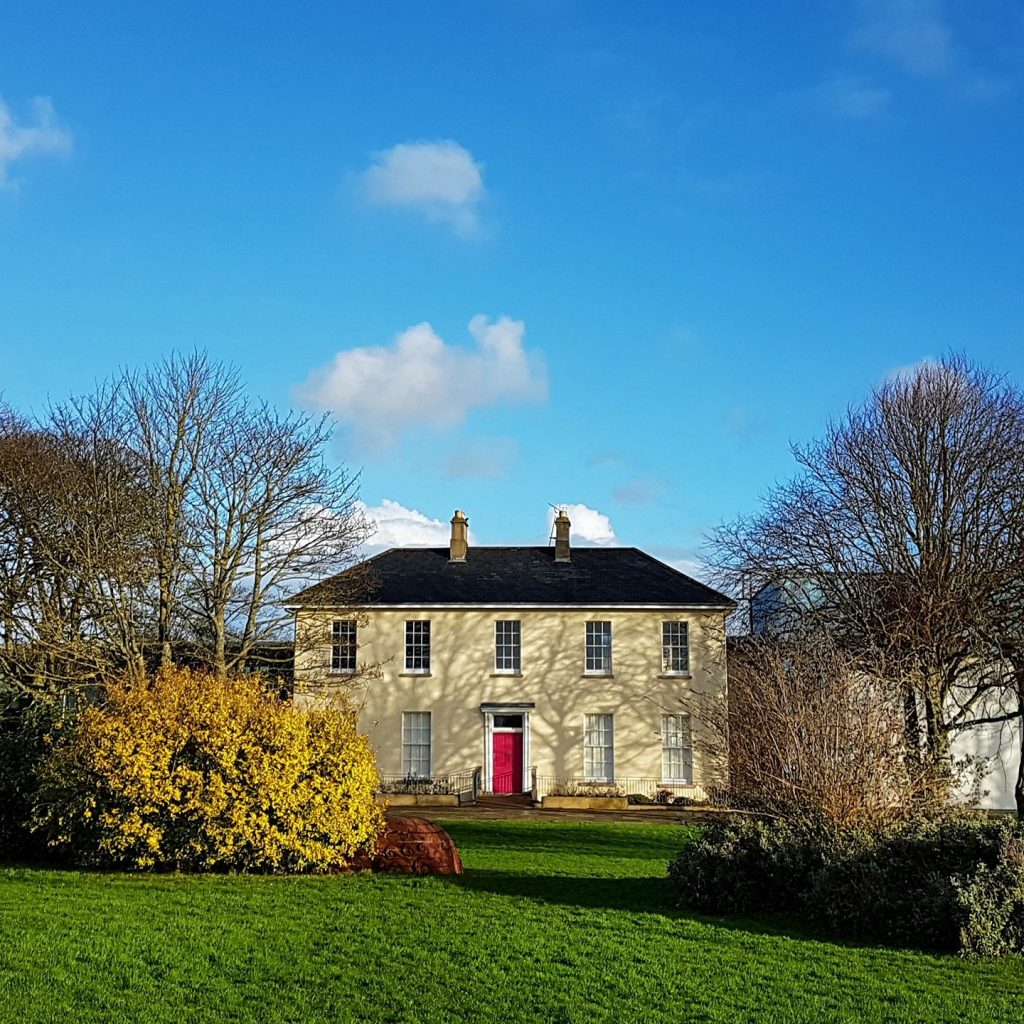
Roe Valley & Flowerfield Arts Centres
From Christmas markets to the return of light, how collaborative programming at Flowerfield and Roe Valley places people, place and wellbeing at the centre of cultural life.
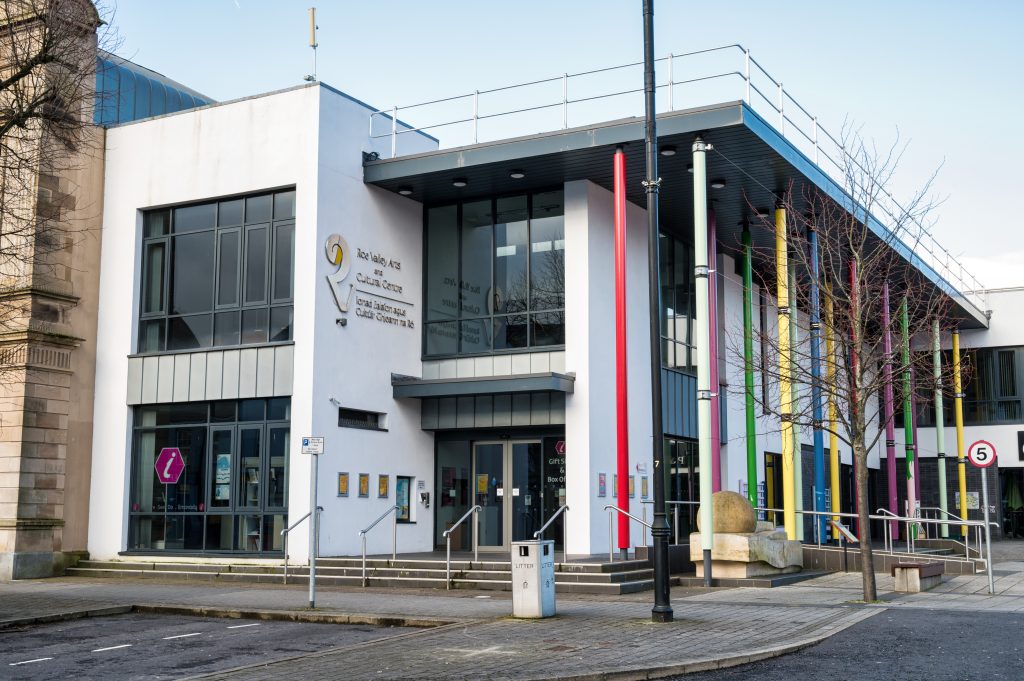
By the time January arrives, the pace inside Flowerfield Arts Centre and Roe Valley Arts and Cultural Centre has already told the story of a winter well lived. The interview with Desima-Jayne Connolly took place in the thick of December – a period she describes without hesitation as the busiest time of the year.
Christmas programming, venue hires, markets, theatre productions and creative learning all overlap, demanding long hours and long weeks from staff. At Roe Valley alone, the auditorium was filled repeatedly by Limavady Drama Club’s Wizard of Oz, with four to five sold-out performances, each drawing a full house of 221 people. For Connolly, it is demanding, but it is also affirming – evidence of venues deeply embedded in the rhythm of their communities.
The Flowerfield Christmas Market: Growth With Purpose
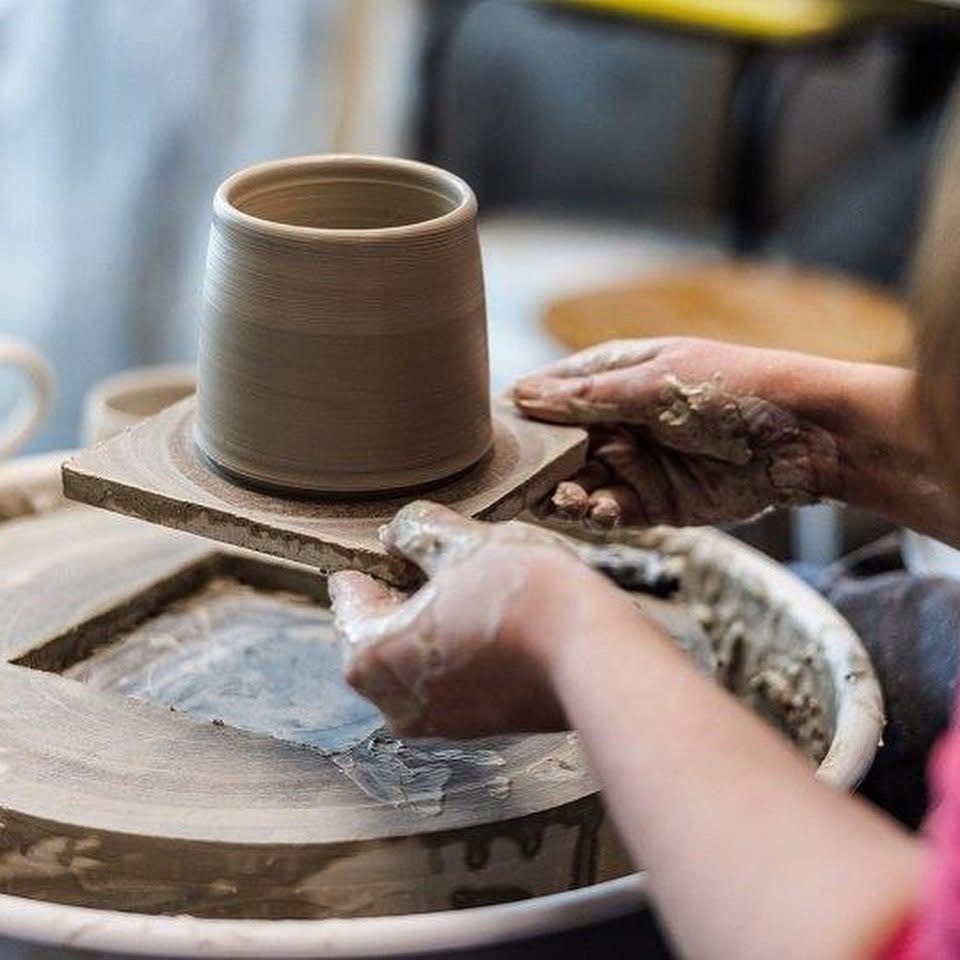
The Christmas market at Flowerfield has become one of the clearest expressions of that connection. Beginning modestly in 2016 with around 20–25 makers, it has grown into a five-week, static market hosting 49 selected makers from over 90 applications.
What makes it distinctive is its structure. Makers do not have to stand behind stalls week after week. Instead, they set up once, ensure pricing and stock are correct, and Flowerfield becomes their shop until 23 December. Staff manage sales and notifies artists when they need replenishment, allowing makers the freedom to attend other markets across the region while maintaining a constant presence in Portstewart.
By the time of this interview – just over three weeks into the run – the market had already generated approximately £33,000, with the previous year finishing at over £41,000. For Connolly, this growth directly reflects one of the arts service’s core objectives: sustained, practical support for professional creative practitioners within the borough.
Curating Variety, Not Wallpaper
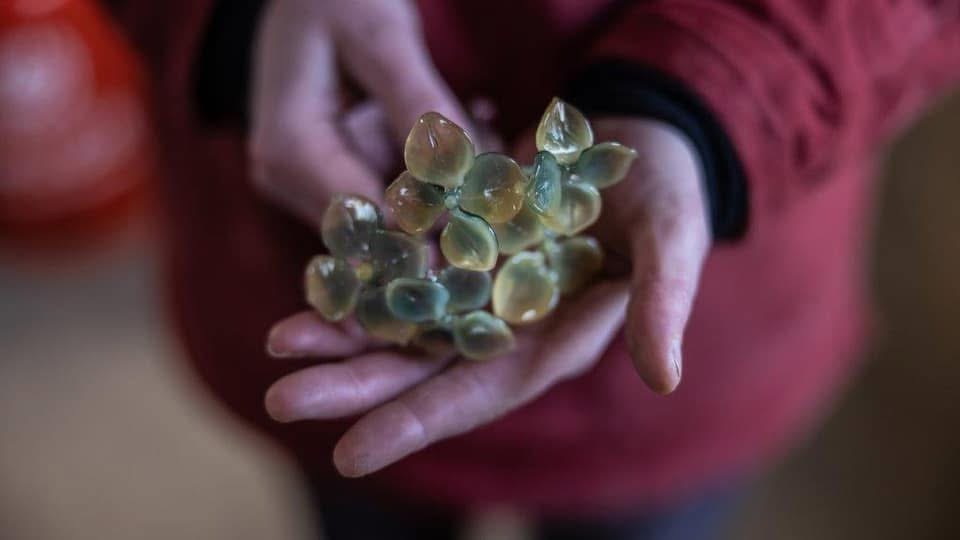
Selection is deliberate. Professional status, quality of work, and balance across disciplines all factor into decisions. Connolly is conscious that too much of one medium – ceramics, jewellery, candles – can dilute opportunity rather than enhance it.
Equally important is freshness. Returning visitors expect change. Makers are moved between galleries; familiar corners are reshuffled. It is a retail logic applied thoughtfully to an arts context, ensuring the market remains alive rather than predictable. As standards rise year on year, the market becomes both more competitive and more rewarding for those selected.
Why Winter Belongs to the Arts
September through December is described as the natural high season. Adult creative learning fills quickly as people seek structure and stimulation. Halloween and Christmas bring families through the doors. Summer, by contrast, draws people outdoors.
Rather than resisting this rhythm, programming works with it. Seasonal events anchor the calendar, while January to April planning is already underway before Christmas ends. The new arts guide – signed off just before the holidays – brings with it exhibitions, performances, screenings and workshops designed to carry momentum into the new year.
Looking Ahead: January to Spring Highlights
The post-Christmas programme is expansive and varied, including:
At Flowerfield:
Andy Irvine performs on 27 February, bringing one of Irish folk’s most respected voices to Portstewart.
National Theatre Live screenings begin at Flowerfield, offering access to major productions featuring actors such as Imelda Staunton, Martin Freeman and Jack Lowden.
A solo exhibition by Stuart Quigley runs at Flowerfield from April to May, following the success of his Roe Valley exhibition. Based in Derry, Irish he works with light, colour and form as shifting elements that accumulate and transform over time.
At Roe Valley:
Roe Valley opens the year with Karl Hagan from January with work blending image and abstraction through photography and digital collage, he creates layered compositions that use fragmented forms and distorted figures to explore memory, the subconscious and the fleeting nature of human experience.
February also brings the Steinbeck Festival partnership. Though independently run, Roe Valley hosts Twelve Paintings – Colin Davidson and Mark Carruthers In Conversation with Marie-Louise Muir, accompanied by the display of Colin Davidson’s large-scale paintings.
March programming also connects closely with St Patrick’s celebrations through Listen to the Land Speak – A Tribute to Manchán Magan, taking place on 12 March. The event centres on Manchán Magan’s documentary work and writings exploring language, landscape and identity, offering space to reflect on his legacy following his death in October 2025. The screening serves not only as a tribute, but as a continuation of his enduring call to listen more closely to the land beneath our feet and the stories embedded within it.
This is followed on 14 March by Heidi Talbot performing Grace Untold / Gráinne Ní Mháille Neamráite, a powerful musical tribute to Ireland’s women. Through song and storytelling, Talbot explores myth, memory and resilience, drawing from the life of Gráinne Ní Mháille while speaking to wider themes of heritage and voice. Together, the two events March programming events form a thoughtful pairing – rooted in place, history and the act of remembrance, while still looking forward through creative expression.
Redefining What Success Looks Like
Connolly is clear that “bums on seats” is not the sole measure of success. While footfall, participation figures, income generation and accountability targets are meticulously tracked, quality remains the guiding principle.
A classical recital attended by 35 people matters just as much as a sold-out folk concert. What matters is access – offering people the chance to encounter the art they love locally, without travelling to Belfast or Derry, and ensuring the full breadth of creative expression is represented.
Programming as Collective Practice
Decision-making across both venues is a genuinely shared process. Connolly describes programming as a collaborative effort shaped through regular meetings with her core team – Fran Porter, Arts & Cultural Facilities Officer at Flowerfield, and Denise Pemrick, who holds the same role at Roe Valley. They are, as Connolly puts it, her “right-hand women,” bringing ideas forward each season that are then tested through discussion and practical consideration. Touring schedules, budgets, audience overlap with nearby venues, and the realities of auditorium capacity all factor into these conversations, ensuring ambition is always balanced with realism.
This collective approach also informs what doesn’t make it into the programme. Rather than chasing high-profile names at any cost, the emphasis remains on original artists, singer-songwriters and theatre companies rooted in Northern Ireland. Tribute acts are generally left to third-party hires, allowing the core programme to focus on artists creating new work and contributing to living, local creative ecosystems. Connolly encourages her team to experiment, to programme across genres, and not to be guided solely by what might sell out – placing quality, diversity and integrity at the heart of decision-making.
Creativity as Care
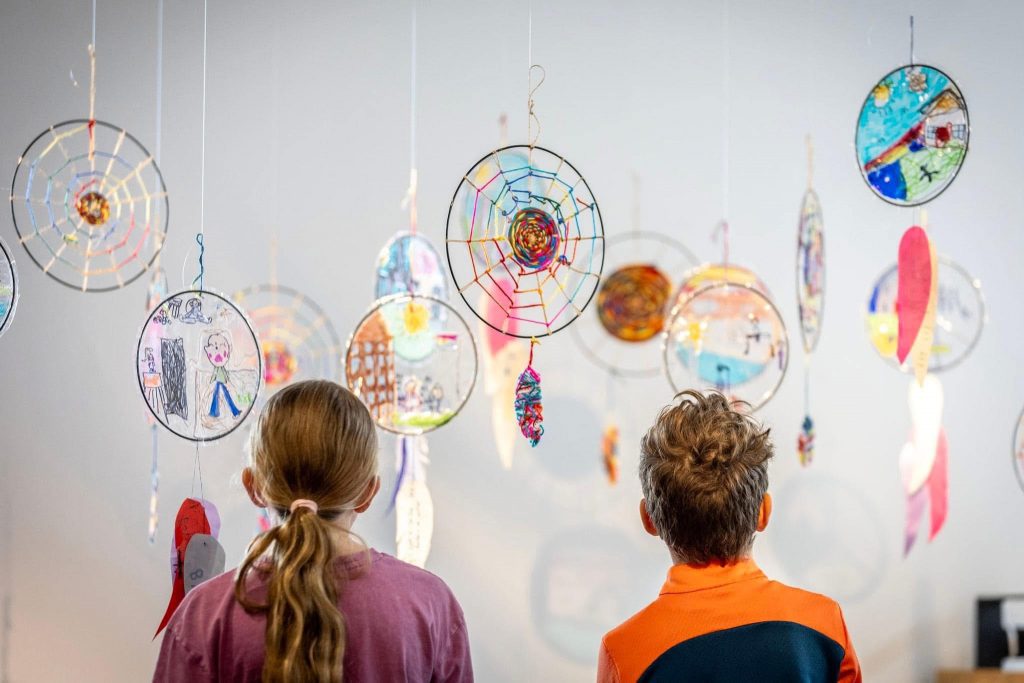
Beyond ticketed events, community engagement runs as a central thread through both centres. Connolly points to repeat initiatives such as Mums Meet and Make, developed by Amy Donaghey, Arts Marketing & Engagement Officer, as an example of how programming responds directly to lived experience. Designed for new parents with very young children, the initiative creates supported, subsidised spaces where people can meet, have a coffee and engage in creative activity – addressing the isolation that can often accompany early parenthood.
Alongside this sits the Creative Care Programme, delivered in partnership with the Northern Health and Social Care Trust. Renewed from January to April, the programme offers creative workshops for adult and young carers, as well as individuals affected by cancer either personally or within their families. Connolly speaks about creativity here not as escapism, but as shared presence – a space where people can pause, connect, and feel recognised among others who understand similar challenges.
Local, International, and Everything Between
The balance between community art and international work is intentional and carefully held. Recent seasons have included exhibitions drawn from the Hayward Gallery, bringing prints by Joan Miró and Georgia O’Keeffe into local gallery spaces – offering schools and communities access to internationally significant work without the need to travel.
At the same time, Roe Valley has hosted exhibitions by the Pavestone Collective, a student group of adults with learning and physical challenges, alongside the Limavady Art Group – artists who have been meeting weekly since the centre first opened. For Connolly, this coexistence is essential. It affirms local creativity while expanding horizons, demonstrating that rural arts centres can be both deeply rooted and outward-looking at once.
A Career Built on Access
With a background spanning fine art, museum studies and arts administration – including work in festivals, museums, community arts and heritage organisations – Connolly arrived in Limavady just months before Roe Valley opened as the borough’s flagship arts venue. Building audiences from the ground up required patience, persistence and belief, particularly in a place where public arts infrastructure had previously been limited.
Today, Roe Valley stands as a point of pride within the community, not because it was imposed, but because it was steadily introduced, nurtured and shaped in dialogue with the people it serves – a relationship built over time rather than assumed from the outset.
Keeping the Doors Open
Running two public venues is, as Connolly notes, “a different beast.” Storm damage, broken lifts, ongoing building maintenance and last-minute challenges sit alongside curating exhibitions and booking performances.
Much of this labour remains unseen, yet it is essential to keeping the doors open day after day.
What sustains it all is teamwork – an understanding shared across staff that these spaces are, at heart, community centres. Not Arts Centres with a capital A, but places where people gather, learn, celebrate and endure the long winter together, supported by the quiet, consistent work of the teams behind the scenes.
Find the upcoming events at Limavady’s Roe Valley Arts Centre via their website: roevalleyarts.com/events
And upcoming events at Portstewart’s Flowerfield Arts Centre via their website: flowerfield.org/events
Support Go Leor. Get the Print. Join the Story.
Go Leor is an independent Irish arts magazine built by hand, heart, and community. Your support keeps meaningful storytelling alive – in print, in culture, and in conversation. Through Patreon, you can join as a monthly supporter and receive exclusive benefits across our tiered memberships:
Fir Bolg: Your name printed inside every issue.
Muintir Neimhidh: Your name + monthly issue delivered (UK & Ireland) and PDF issues.
Muintir Partholóin: All previous benefits + monthly editor’s dispatch.
Bradán Feasa: All benefits + help shape future articles and themes.
Your backing helps us print, publish, and grow a space for creative voices across Ireland and beyond.
The Latest Articles

Fight Like a Girl: Ana Fish on Safer Spaces & Murals
Tracing a life shaped by movement, myth, and community – using street art to reclaim space, tell shared stories, and make the everyday world feel safer, softer, and more alive.

Finding Magic Stillness in the City: Joel Simon’s Paintings
Scenes observed slowly and held with care, where light, posture, and silence allow the ordinary street to become a quiet stage for feeling

Inni-K on Still A Day: Genuine Irish Songwriting
In the aftermath of touring Still A Day, the singer, composer, and multi-instrumentalist considers music, nature, and what remains once the movement stops.

Bob Speers and the Quiet Magic of Ireland’s Bogs
In a room filled with timber, peat, and light, artworks hung on walls are more like fragments of the land itself – weathered, breathing, and alive with memory.

Hernan Farias on Light, Connection and Creative Growth
From the Classroom to the Camera – charting his shift from teaching English in Chile to full-time photography in Northern Ireland.

The Colour & Spirit of Time: Tricia Kelly’s Journey with Ócar
Exploring how sixty million years of volcanic fire, weather, and transformation created the red ochre that now colours Tricia’s life and work.