Mark Bonello
Artist
From London galleries to the North Coast studio, Mark Bonello paints light, labour, and lived experience with unwavering focus
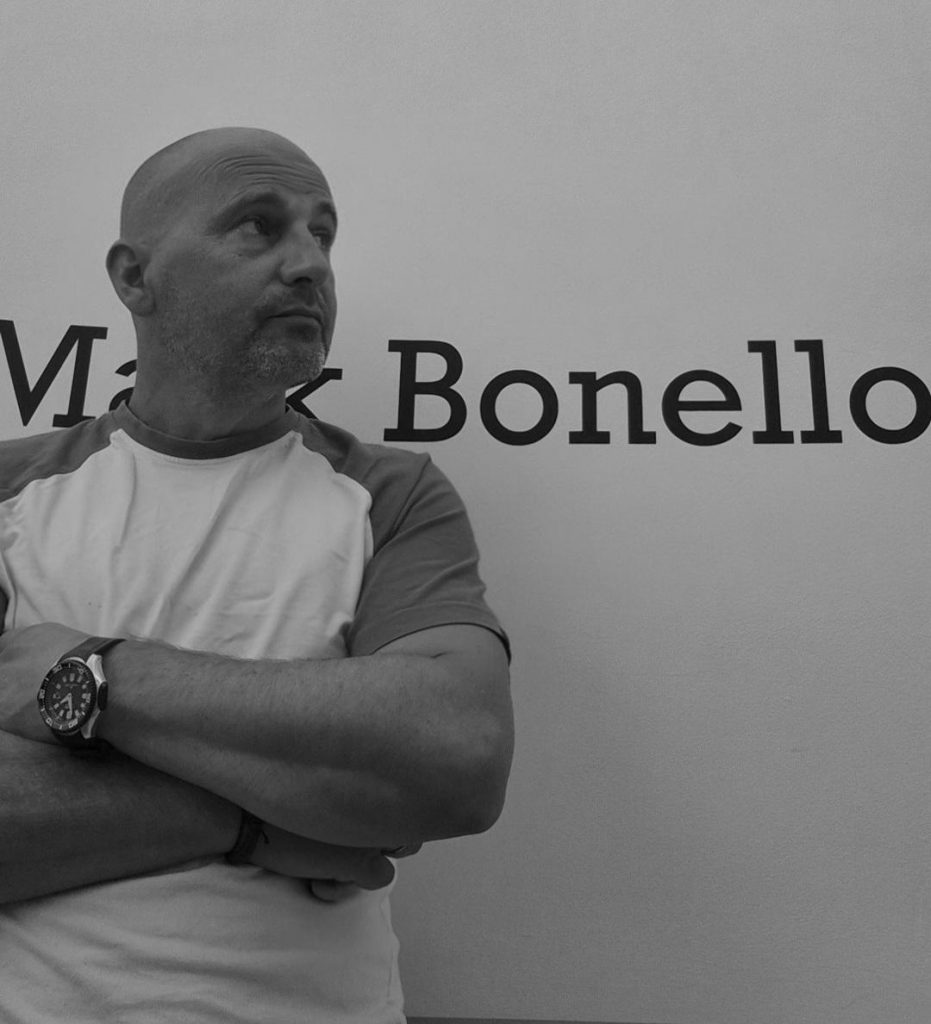
In a sunlit studio at The Courthouse Bushmills, Mark Bonello is mid-flow when we begin speaking. The North Coast light has turned theatrical – shadows cutting across rock, sea flashing silver – and he has already been out, driven the coast, taken reference shots, and returned to the easel before most people have finished their morning coffee.
“It’s busy here today,” he laughs. “But that’s because of the sun.”
Mark likes when people wander in while he’s working. In fact, he prefers it. Nine times out of ten, visitors encounter him brush in hand. The act of painting becomes the invitation. A conversation starter. A quiet demonstration of intent.
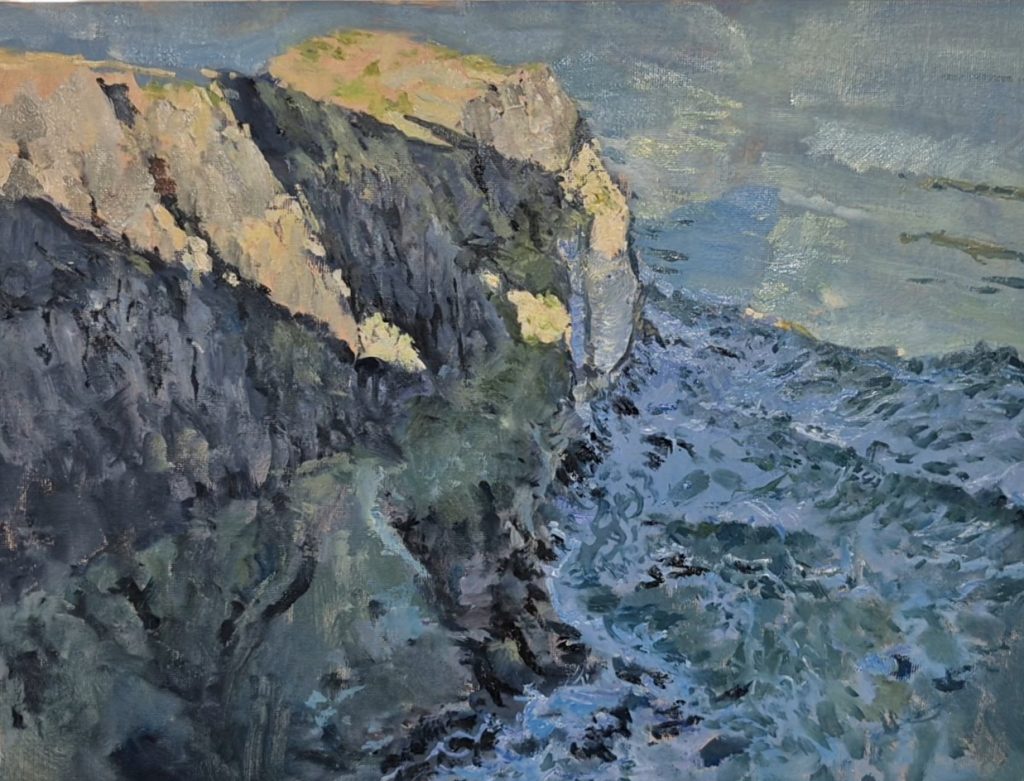
What strikes you immediately is the speed. The canvas he turns toward me – a study of coastal rock, shadowed and sharply angled – already feels resolved and almost completed. There’s atmosphere in it. A sense of place caught in motion.
“I do work really fast,” he says plainly. “It’s probably one of the benefits of ADHD. When I lock in, I really lock in.”
Focus as Force
Mark speaks openly about being diagnosed with ADHD – and about how that diagnosis coincided with a decision to take painting seriously.
“Before that, I’d hyperfocus but not necessarily in a disciplined way. I wouldn’t change the water. The palette would get muddy. I’d just keep going.”
Now, he recognises the moment to stop. When colours begin collapsing into brown on the palette, that’s the signal. Clean the brushes. Reset. Continue with clarity.
Rather than treating ADHD as an obstacle, he has learned to treat it as a tool.
“I’ve had loads of hobbies,” he admits. “Photography. Wood carving. Polymer clay. I’d sit in the lorry carving little caricatures for hours. But painting’s the one that never went away. The others fade. Painting always comes back.”
There’s something deeply reassuring in that constancy. Painting isn’t a phase for Mark. It is the axis.
And when he’s not painting?
“My wife knows something’s not right.”
London Beginnings & The Impressionists
Born in London and raised there until the age of ten, Mark grew up within reach of the National Gallery. Museum visits weren’t special occasions – they were routine.
“It was always there in the background,” he says. “My mum painted too.”
Years later, when people began describing his own work as “impressionistic,” he turned to study the movement more closely. What he found resonated deeply.
Joaquín Sorolla. Edgar Degas. Not simply their brushwork – though that mattered – but the rhythm and vitality embedded within it. Light treated not as decoration, but as structure. Figures suggested through movement rather than tightened into stillness.
He briefly considered pursuing an art history degree, but realised something fundamental about himself.
“If something doesn’t interest me, I won’t retain it. I learn instinctively.”
Impressionism held. It wasn’t academic obligation – it was instinctual recognition.
Movement Over Likeness
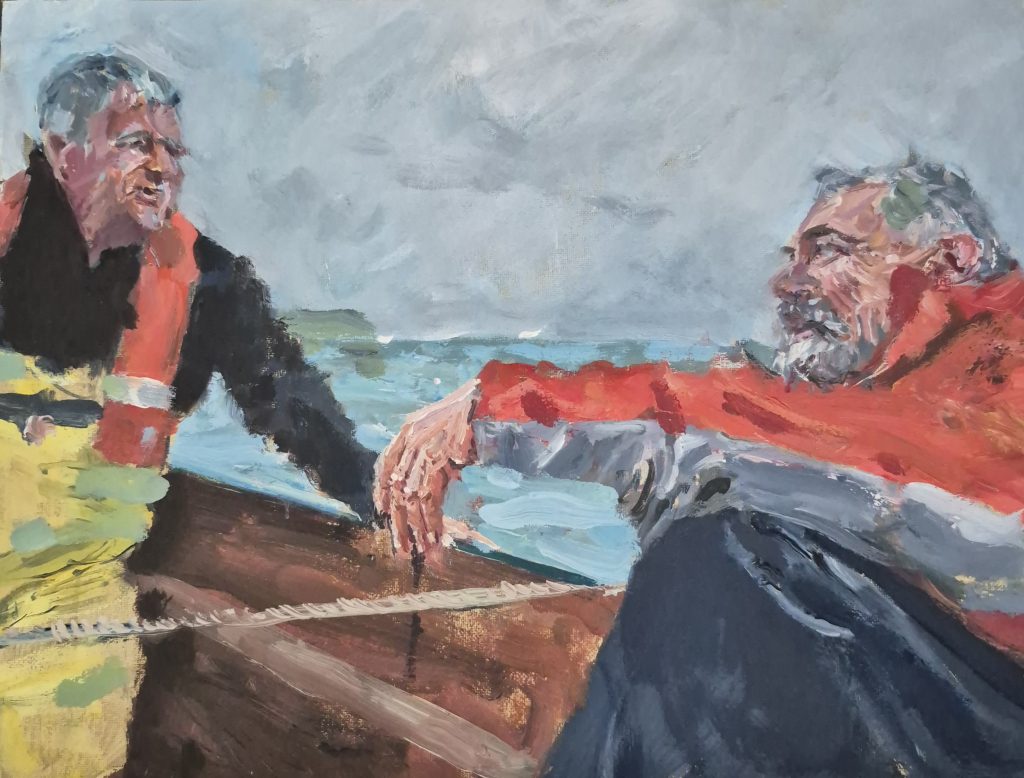
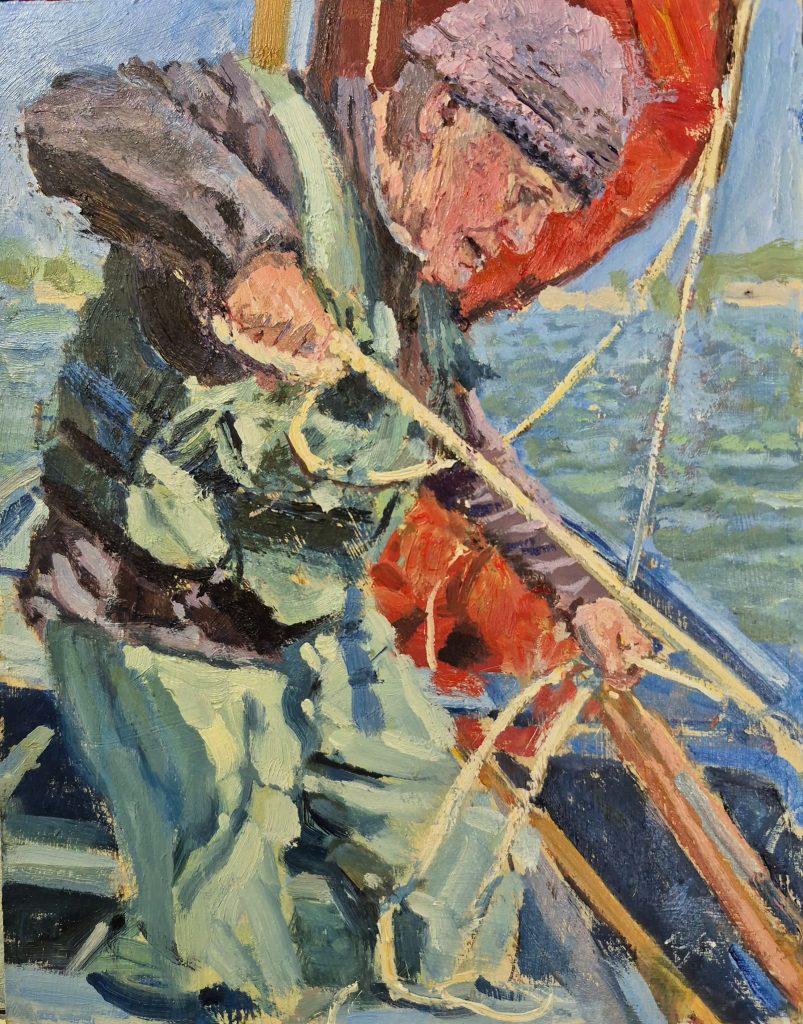
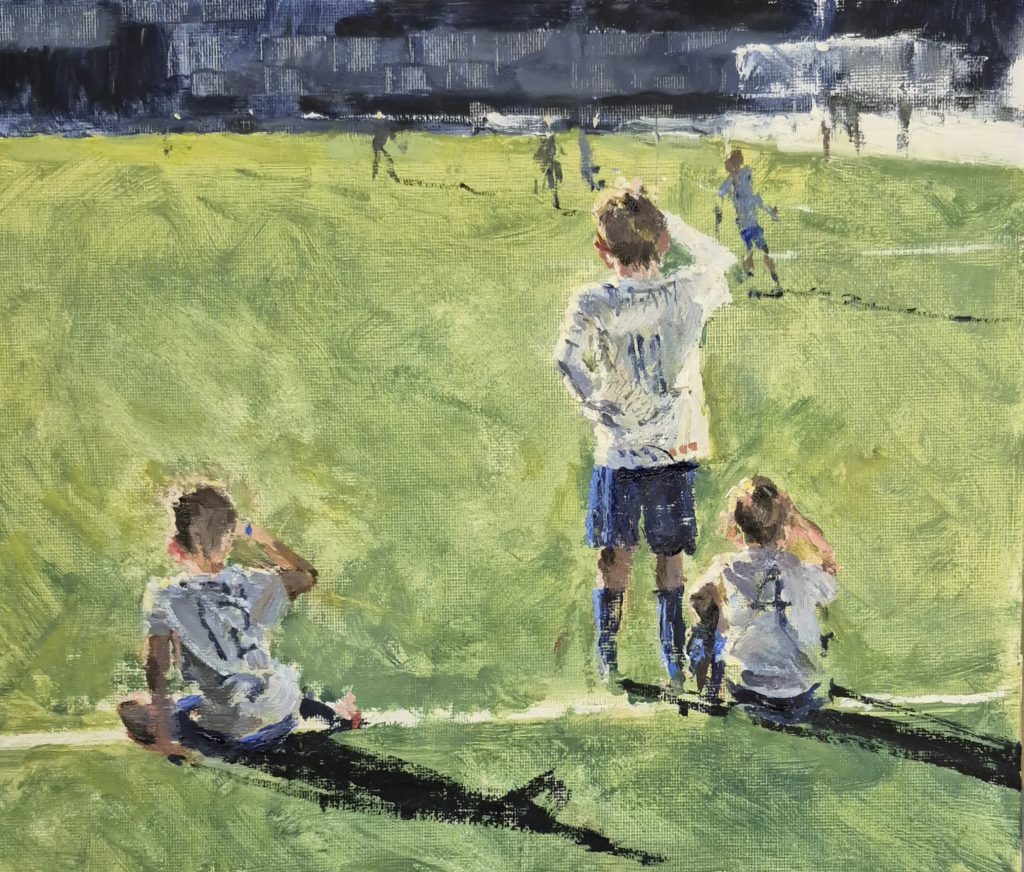
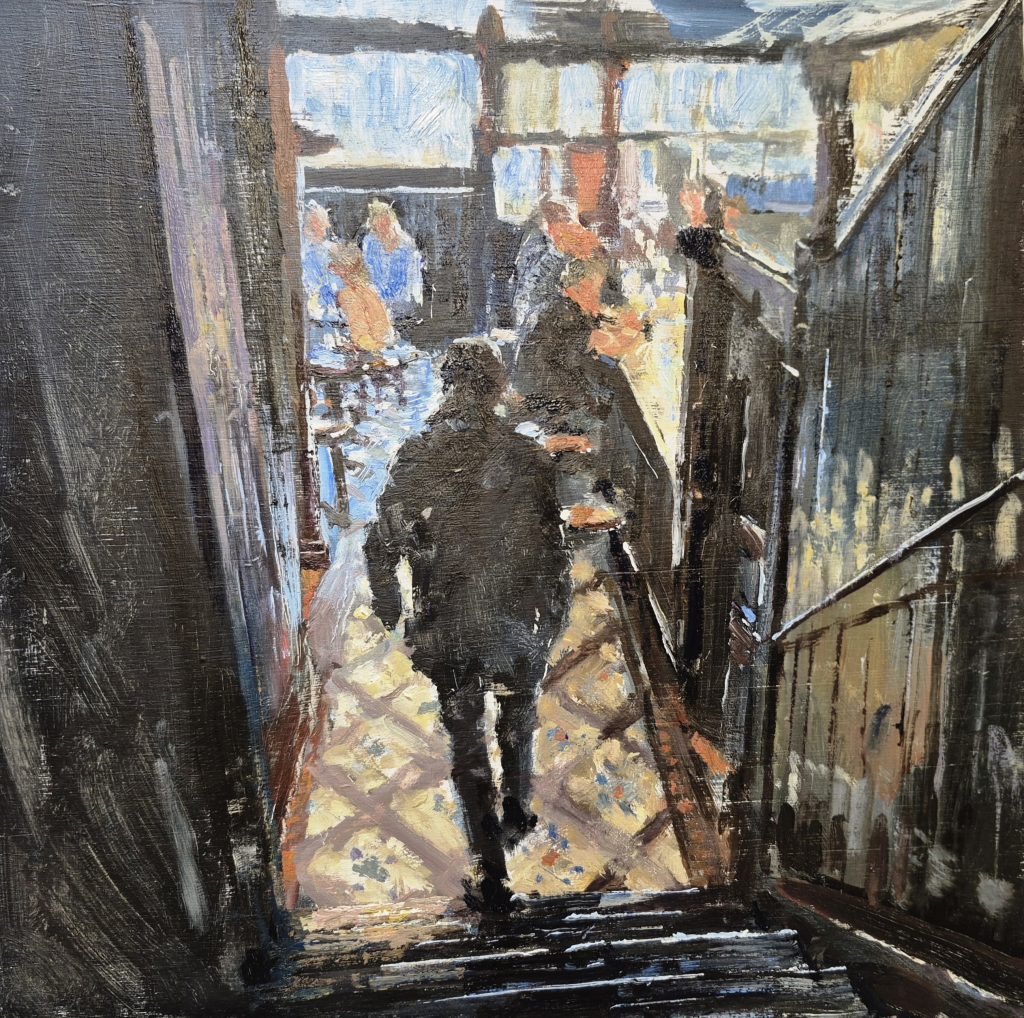
This instinct toward rhythm is evident in his figurative work. Coastal workers hauling rope. Performers mid-gesture. Figures absorbed in labour.
“I’m less interested in likeness than in line and movement,” he explains. “I prepare mentally before I start – like watching snowboarders at the Winter Olympics. They rehearse the rhythm in their head.”
When he paints, he doesn’t want to think.
“It needs to feel natural. Painting is meditative for me. It’s the one time my mind is quiet.”
There is a looseness to his portraits – an echo perhaps of Lucian Freud or Maggi Hambling – but the looseness is deliberate. Gesture carries truth. Energy over polish.
And yet nothing feels careless.
The Robin Ruddock Portraits
One subject, painted multiple times, is Dr Robin Ruddock – a climber, sailor, and walking encyclopaedia of North Coast geology and wildlife.
“Robin was one of the first people I met when I moved here,” Mark says. “He’s an amazing man.”
They worked together years ago, and the admiration is still present. Mark has painted him three times – each portrait not simply likeness, but character rendered in line and tone.
It is clear that Mark paints people he respects. People in motion. People in purpose.
The Turning Point
The pivot from hobbyist to professional came via a one-hour consultation booked through the Arts Council.
“I needed to hear from a professional whether I had what it took.”
He arrived prepared. He left with three goals:
- Build a website.
- Exhibit with the Royal Ulster Academy.
- Secure gallery representation in Belfast.
The timeline had been one year. He achieved them in three months.
“It all happened very quickly,” he says, still sounding slightly surprised. Imposter syndrome lingers – as it does for many artists – but it no longer governs him.
“I don’t need constant confirmation anymore. I just love painting.”
From Lorry Driver to Full-Time Artist
For years, Mark balanced painting with lorry driving – a dual identity he playfully tagged online as #dieseltoeasel.
He no longer drives.
“The money was tempting,” he admits. “But I couldn’t go back.”
Instead, he took a small part-time role locally, allowing him to stay outdoors while prioritising studio time. The decision was about freedom.
“When you make your mind up about something, that’s it.”
The rhythm of the road – long stretches of concentration, patience, repetition – now lives in the rhythm of the brush.
The Courthouse Community
His studio at The Courthouse Bushmills arrived at precisely the right moment.
“I came up the day I finished driving and spoke to Sharon Scott, the coordinator. She looked at my work and said, ‘You’ve got to make this work.’”
The building operates as a social enterprise. No commission is taken from studio sales. Support is practical as well as moral – promotion, coordination, community-building.
“There are four of us here full time,” he says. “Painters, craftspeople – woodwork, weaving. We help each other. It feels like something’s building.”
In a region where artists often feel isolated, that sense of collective momentum matters.
Committed to visibility across Ireland’s creative landscape, spaces like The Courthouse are not simply venues – they are cultural infrastructure.
The Grand Opera House – And Beyond
One ambition remains persistent.
“I really want to paint behind the scenes at the Grand Opera House.”
He speaks about it not as spectacle, but as process – performers dressing, orchestras warming up, the unseen choreography of theatre life. If given access, he would approach it as Degas might have approached the ballet – movement, rehearsal, quiet labour before the curtain rises.
“I’ve asked. I’ve been declined. But I’ll keep trying.”
We would happily tag the Grand Opera House in this – not as pressure, but as invitation. Collaboration between painter and theatre feels inevitable.
He also references the Royal Opera House – a childhood symbol of theatrical grandeur – as part of that long-standing fascination with stagecraft and audience dynamics.
It is not fame he is chasing. It is access to movement. To rhythm. To human concentration under light.
Van Gogh & Perseverance
There are two books beside his bed. One is Vincent van Gogh’s letters to Theo.
“You can never get tired of reading about him,” Mark says.
The perseverance resonates. The reaching out to build artistic community. The refusal to stop working despite adversity.
There is something quietly Van Gogh-esque in Mark’s surfaces – not imitation, but integrity. Paint laid down with conviction. Evidence of presence.
Elevating the Work
Mark Bonello’s work does not rely on gimmick or trend. It is grounded in light, labour, and lived experience. The North Coast is not backdrop – it is collaborator. The figures he paints are not decorative – they are working, moving, thinking bodies.
He is a painter who has chosen discipline over distraction. Community over isolation. Craft over spectacle.
From London galleries to Bushmills studios. From diesel engines to oil paint.
The work stands.
And as supporters of independent artists across Ireland, we say this clearly: Mark Bonello is not merely painting the coast – he is contributing to its cultural memory.
Keep up with Mark via social media: @bonello_art
For the latest news along with paintings for sale visit his website: markbonello.co.uk
To see Mark’s work up close as he works in The Courthouse Bushmills, alongside up-to-date opening hours, studio availability, exhibitions, and events, visit: thecourthousebushmills.com
Support Go Leor. Get the Print. Join the Story.
Go Leor is an independent Irish arts magazine built by hand, heart, and community. Your support keeps meaningful storytelling alive – in print, in culture, and in conversation. Through Patreon, you can join as a monthly supporter and receive exclusive benefits across our tiered memberships:
Fir Bolg: Your name printed inside every issue.
Muintir Neimhidh: Your name + monthly issue delivered (UK & Ireland) and PDF issues.
Muintir Partholóin: All previous benefits + monthly editor’s dispatch.
Bradán Feasa: All benefits + help shape future articles and themes.
Your backing helps us print, publish, and grow a space for creative voices across Ireland and beyond.
The Latest Articles

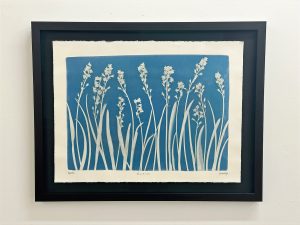
Frances Magee – Preserving Ireland’s Natural World in Cyanotype Magic
In her North Belfast garden, Frances Magee transforms carefully tended plants into luminous cyanotypes – where texture, imperfection and light combine in work that feels timeless.
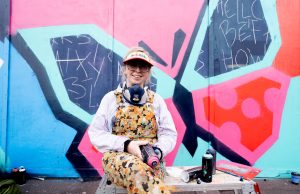
From Donegal to Belfast – Katriona Sweeney’s Authentic Irish Design
Where Irish memory, bold typography, and hand-painted craft converge – from Donegal buses and rush crosses to Belfast walls and wearable design.
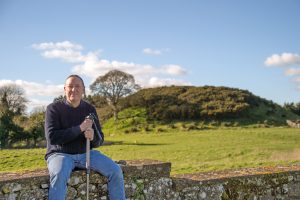
Anthony Murphy and the Secrets of Ancient Ireland
An astronomer’s path into Ireland’s ancient past – tracing how skywatching, myth and archaeology converge across the island’s landscapes.
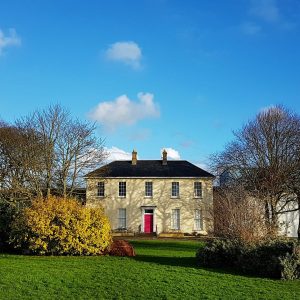
Desima-Jayne Connolly on Building Arts Centres Around People and Place
From Christmas markets to the return of light, how collaborative programming at Flowerfield and Roe Valley places people, place and wellbeing at the centre of cultural life.
Fight Like a Girl: Ana Fish on Safer Spaces & Murals
Tracing a life shaped by movement, myth, and community – using street art to reclaim space, tell shared stories, and make the everyday world feel safer, softer, and more alive.
Finding Magic Stillness in the City: Joel Simon’s Paintings
Scenes observed slowly and held with care, where light, posture, and silence allow the ordinary street to become a quiet stage for feeling