
Seba Brhom
Artist & Teacher
A Syrian artist and teacher now living in Northern Ireland, Seba Brhom uses drawing, fabric, Arabic lettering and community workshops to share beauty, memory and gratitude.
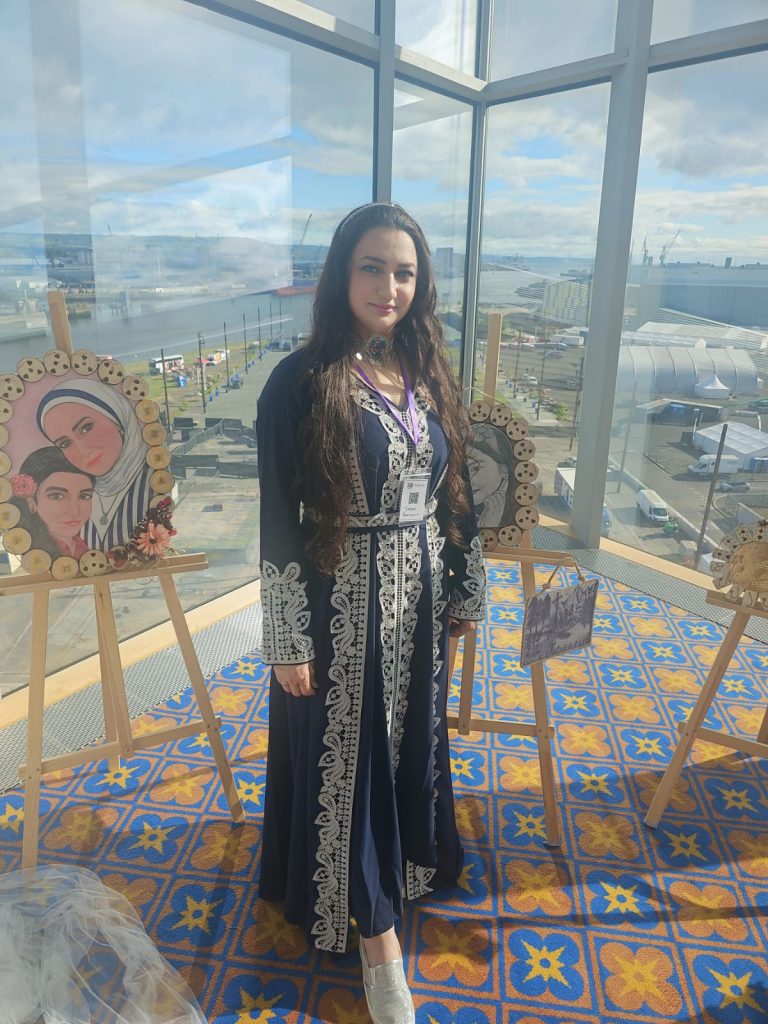
For Seba Brhom, art is not separate from life. It is a way of learning, a way of teaching, a way of remembering, and a way of saying thank you.
A Syrian refugee now living in Northern Ireland, Seba is both an artist and a teacher. Before coming here, she worked as a primary school teacher in Syria. Her hobbies included art, travel and horse riding, but teaching was already central to who she was. When she arrived in Northern Ireland, she found a way to bring those parts of herself together again.
“I was working as a primary school teacher in my former country Syria,” she explains, “and my hobby was arts, travel and horse riding. When I got here, I got the chance to volunteer teaching art in schools here for almost two years.”
For Seba, that opportunity mattered deeply. It allowed her to return to the work she loved, while also sharing the creative part of herself that had always been present.
“This was the most beautiful thing for me,” she says, “because I loved my job as a teacher and I loved creating art, and I was able to combine them while volunteering as a drawing teacher because of my experience in both situations.”
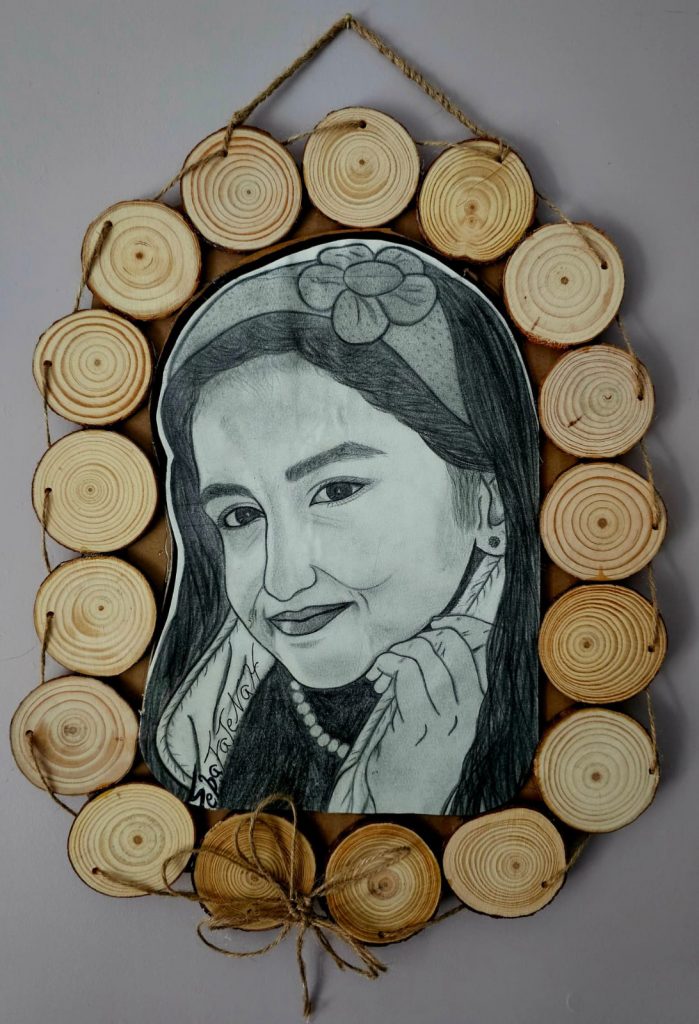
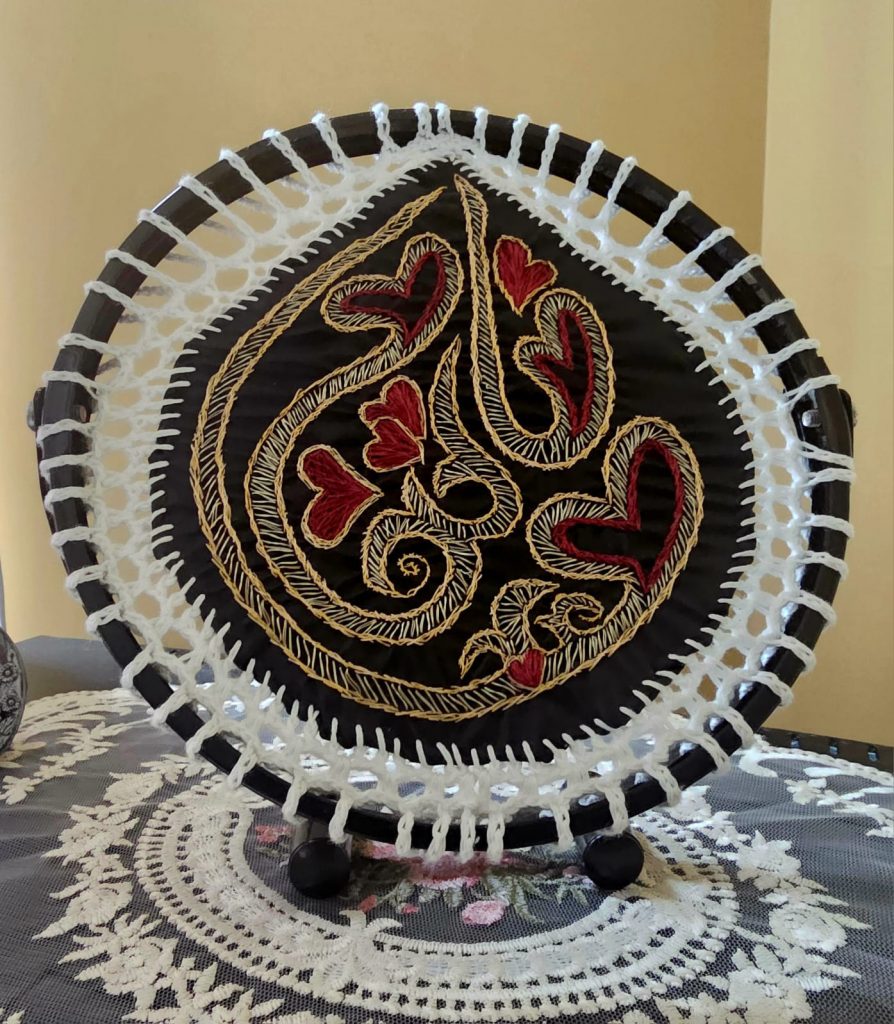
That combination runs through Seba’s work. She makes art in many forms, from drawing and fabric-based work to pieces that use Arabic ornamentation, English letters and Arabic letters as visual material. She has also taken part in small exhibitions, including one connected to the Titanic Belfast, and has created works of gratitude for people and places that helped her begin again in Northern Ireland.
Her practice is shaped by displacement, but it is not defined only by it. Seba speaks strongly about effort, ambition, learning and the desire to give something back. She is clear that the people who supported her helped light the way, but she also worked hard to become who she is.
“My family, teachers and other people were the first flame,” she says, “and I struggled and followed my path.”
The first flame
Seba’s creative life began with encouragement. Her mother supported her by bringing her books, and a teacher encouraged her to share her art in her homework books. These gestures stayed with her. They did not simply praise her creativity; they helped her understand that creativity was something worth carrying forward.
“Yes, the support of my mother, teacher, or anyone else has played a big role in who I am now,” she says, “and they are part of making me love the teaching profession.”
The phrase “first flame” is an important one. Seba does not describe herself as someone passively shaped by others. Instead, she speaks about support as the beginning of something she then had to protect, develop and pursue for herself. Encouragement gave her warmth, but it did not replace the hard work of following a dream.
“I mean, who I am now is not just because of the support of my family, teachers and other people,” she says. “When I grew up I relied on myself and worked hard to be what I wished. I pursued my dream and ambition with personal effort.”
Her parents remain cherished figures in this story. Seba has not seen them in more than ten years, yet their presence still runs through her work, her teaching and her sense of who she is. The distance is painful, but the love has not been lost. In her art, teaching and words, there is a continued effort to honour what they gave her.
That is also how she understands teaching. She knows how much encouragement can mean to a child, but she also knows that each child must be met as an individual. When she teaches, she tries to remember what it felt like to be young, curious, uncertain and full of needs that adults do not always notice.
“I position myself in the children’s shoes,” she says, “to understand what important ways they need to teach them. I try to remember how I thought when I was a student at their age, desire, and needs, and therefore I teach them in a way that suits their young and innocent minds.”
There is tenderness in that approach, but also discipline. Seba’s teaching is not only about showing children how to draw or make. It is about understanding how they think, how they learn, and how creativity can help them feel seen.
Art as a language of learning
Seba’s own art moves across materials and languages. She sometimes uses Arabic ornamentation, Arabic letters or English letters to create visual work. In those pieces, writing becomes more than a tool for communication. Letters become shape, rhythm, pattern and memory.
Arabic calligraphy and ornamentation carry long artistic traditions, but Seba’s use of them also feels personal. For someone living between languages and countries, letters can hold more than one meaning at once. They can be read, but they can also be looked at. They can carry identity, beauty and cultural memory without needing to explain everything directly.
Her work also moves into fabric, recycled materials and collaborative workshop-making. This flexibility is part of Seba’s belief that creativity should not be limited to one form, one age or one stage of life. She often shares the process of learning something new, and sees that sharing as part of the joy of making.
“One of the greatest things I believe in is sharing all that is beautiful in this life,” she says, “so that we sow the seeds of love and learn to give for nothing and feel that we are here in this life and we are not just machines.”
That sentence carries much of Seba’s philosophy. Art is not only a finished piece. It is participation. It is exchange. It is evidence that people are not machines moving through life without feeling, memory or generosity.
“Participation is itself an art,” she says.
For Seba, participation means that creativity moves both ways. A teacher gives knowledge, but also receives something from those she teaches. An artist shares a work, but may receive a smile, a response, a moment of connection.
“Participation means giving and taking at once,” she says. “I may give information or art and take a smile.”
For Seba, learning does not end at a particular age or achievement. It continues through daily life, through students, through mistakes, through trying new materials, and through being willing to begin again.
“At a specific stage or age, man does not stop learning,” she says. “Every day until death we keep learning new things.”
That belief shapes both her artwork and her teaching. She does not only teach students; she also learns from them. She does not only present finished work; she shares process, experimentation and discovery.
Reading Irish history from Syria’s shadow
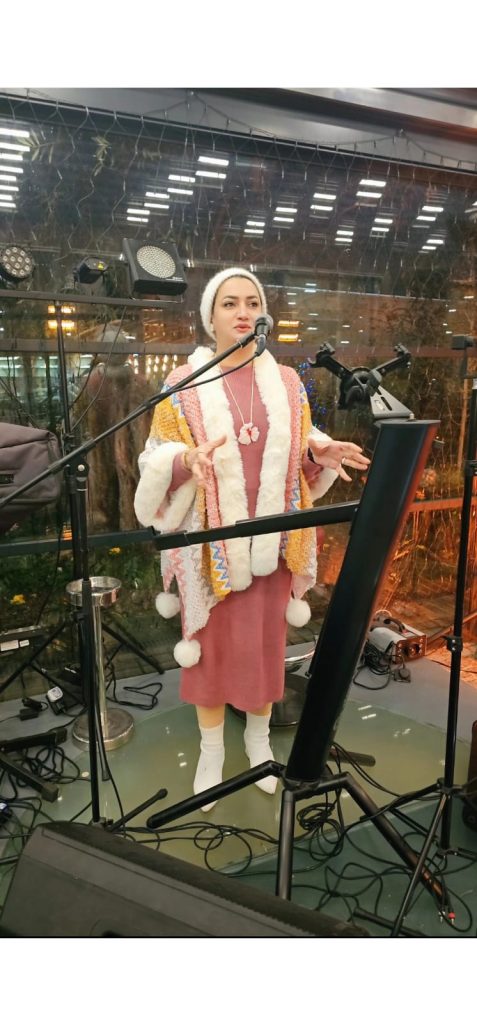
Before moving to Northern Ireland, Seba read about Irish history and watched documentaries and films. As she learned more, she began to recognise echoes of Syrian history and more recent events in her own country.
“When I was reading about Irish history or watching films, whether documentary or film, I felt there was a connection between us,” she says. “It was remembering events about my country and its history, and even events not so old.”
For Seba, this recognition helped her understand why many people in Northern Ireland were able to respond to refugees with empathy. She saw a connection between histories of suffering, occupation, loss and the taking of rights. Without collapsing Ireland and Syria into the same story, she noticed a shared understanding of what it means for people and land to be harmed.
“This made me understand why the people here are so understanding of refugees and cooperative and supportive,” she says, “because they have suffered so much as we have suffered so much, that our country has been occupied, wronged, and the rights of people and their land taken away.”
It is a powerful observation because it does not treat welcome as politeness alone. Seba sees it as something rooted in memory. When a place has known suffering, some people may recognise suffering in others more clearly. That recognition can become practical kindness, support and friendship.
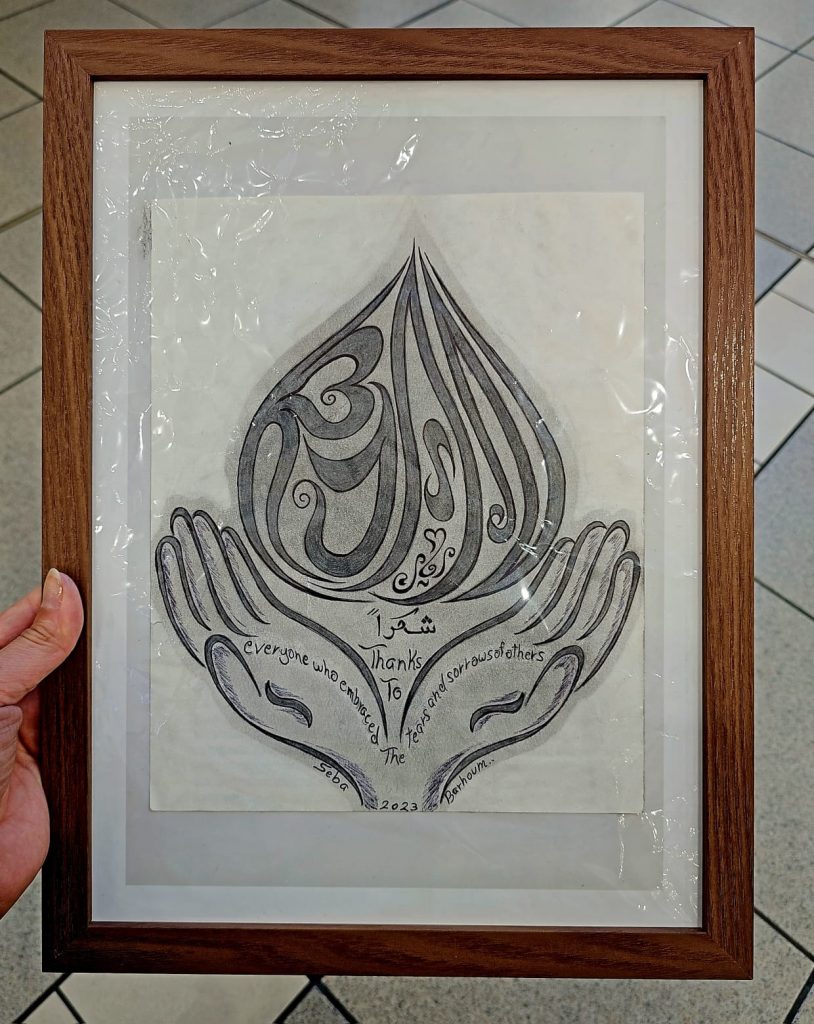
After Cyprus, the first smiles
One of Seba’s clearest memories of feeling welcome came during her first months in Northern Ireland.
For the first three months after arriving, she rarely left the hotel except for emergencies. Then, after three months, she decided to go outside, walk, and begin to know the place around her.
“From the moment I left until I returned,” she says, “I walked and passed people I never knew, but they all smiled at me with kind faces, some of whom greeted me.”
The moment surprised her. It was simple, but it stayed with her. A smile from a stranger can be a small thing, but for someone newly arrived, uncertain, and carrying the weight of displacement, it can become something much larger. It can say: you are not invisible here.
Seba had been worried before she left the hotel. She feared people might keep their distance because she was a stranger from another country. Instead, she found kindness in ordinary passing moments.
“When I saw their smiles, kindness, and greetings to me, I started to feel comfortable and happy,” she says. “Since that day and until now I feel like I have a big family here that embraces me and supports me and pushes me forward after recovering from the destruction of the past.”
The depth of that relief becomes clearer when Seba speaks about her experience in Cyprus, where she had lived for four years before arriving in Northern Ireland. She describes that time as deeply isolating, marked by racism and by people turning away from refugees.
“In fact, the reason I was surprised was that I was living in Cyprus Greece and they were racists and they were turning away from us because we are refugees,” she says.
Seba explains that people there sometimes assumed she was Turkish because she is Muslim, despite her being Syrian. She connects that misunderstanding to painful histories of occupation, including Syria’s own history under Ottoman rule and Cyprus’s own divided history. What stayed with her most was not only the political misunderstanding, but the feeling of being refused as a person.
“I spent four years in Cyprus like a machine that eats, sleeps, and breathes with nothing else that makes me feel present in this life,” she says.
Placed beside that experience, the smiles she met in Northern Ireland become much more than friendliness. They became a sign that life could return. That people did not move away from her. That people were not afraid of her. That she could be seen as human before anything else.
Seba describes feeling embraced by the community in Northern Ireland. She speaks of friends, associations, institutions and individuals who helped her find ways to participate in the things she is good at. Through that support, she was able to volunteer, teach art in schools, take part in exhibitions, and deliver workshops.
“There are many in this country who have supported me and embraced me,” she says, “and who have been kind and friendly and loving to me.”
The strength of her words is striking.
“Here I found myself,” she says, “and felt that I was still alive.”
That sentence should not be softened. It speaks to the depth of what welcome can mean. For Seba, Northern Ireland did not simply offer safety. It offered the possibility of returning to life, to creativity, to teaching and to herself.
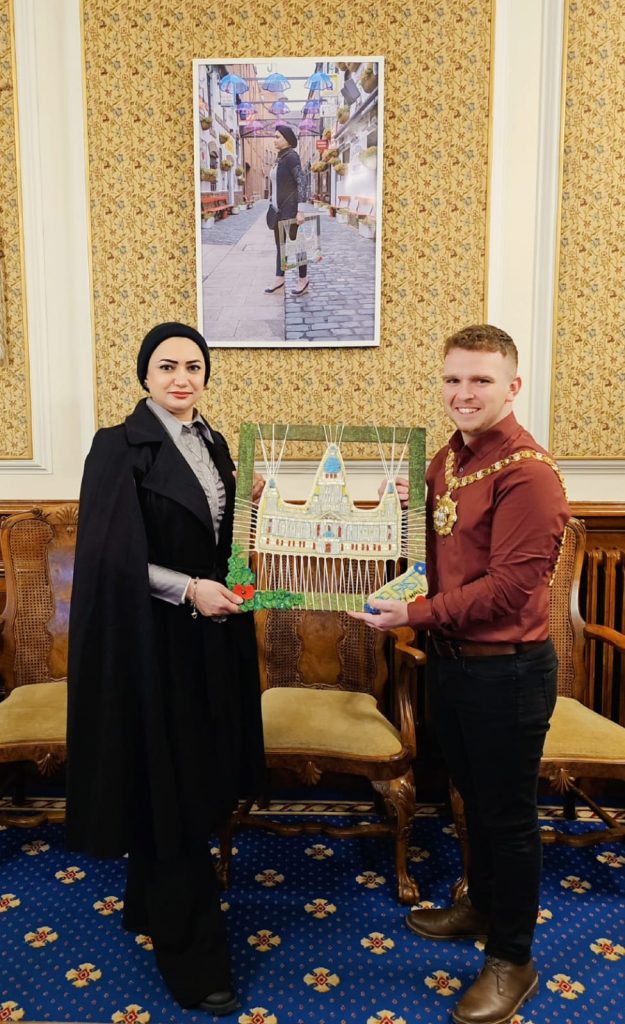
Giving thanks with art
Seba’s gratitude has not remained private. She has tried to return something to the people and place that supported her.
“One of the things I strive for,” she says, “is to give back a small part to this people from the beauty they shared and what they gave me.”
One of the ways she did this was through an artwork presented to City Hall. The work was a thank you, made not only with words but through her creative practice.
“I started with a work of art and presented it to City Hall,” she says, “to say to this country and to the people here, thank you very much with all my heart and art.”
The phrase “with all my heart and art” feels like a title in itself. It captures how Seba understands creativity: as a way of speaking when ordinary thanks are not enough. Art allows feeling to become visible. It can carry gratitude, memory and recognition in a form that others can receive.
Seba has also used art to personally thank people who helped her. She created works of thanks for Darren from Beyond Skin and Deirdre from Belfast Exposed, recognising the individual kindness and support that helped her continue into public creative life here.
Those gestures matter. They show how Seba’s art moves in a circle. Support comes to her, and she turns it into something made by hand. Gratitude becomes a drawing, a presentation, a gift, a public acknowledgement, a way of saying: I remember what you did for me.
Seba has also been supported by organisations and projects that helped her share her work in different public and community settings, she mentions Women’s Aid, Beyond Skin and Voicing the Void. Through these opportunities, she has taken part in work with humanitarian aims, exhibitions and workshops.
These spaces helped her continue as both an artist and teacher. They also allowed her to use art as a meeting point between people from different backgrounds.
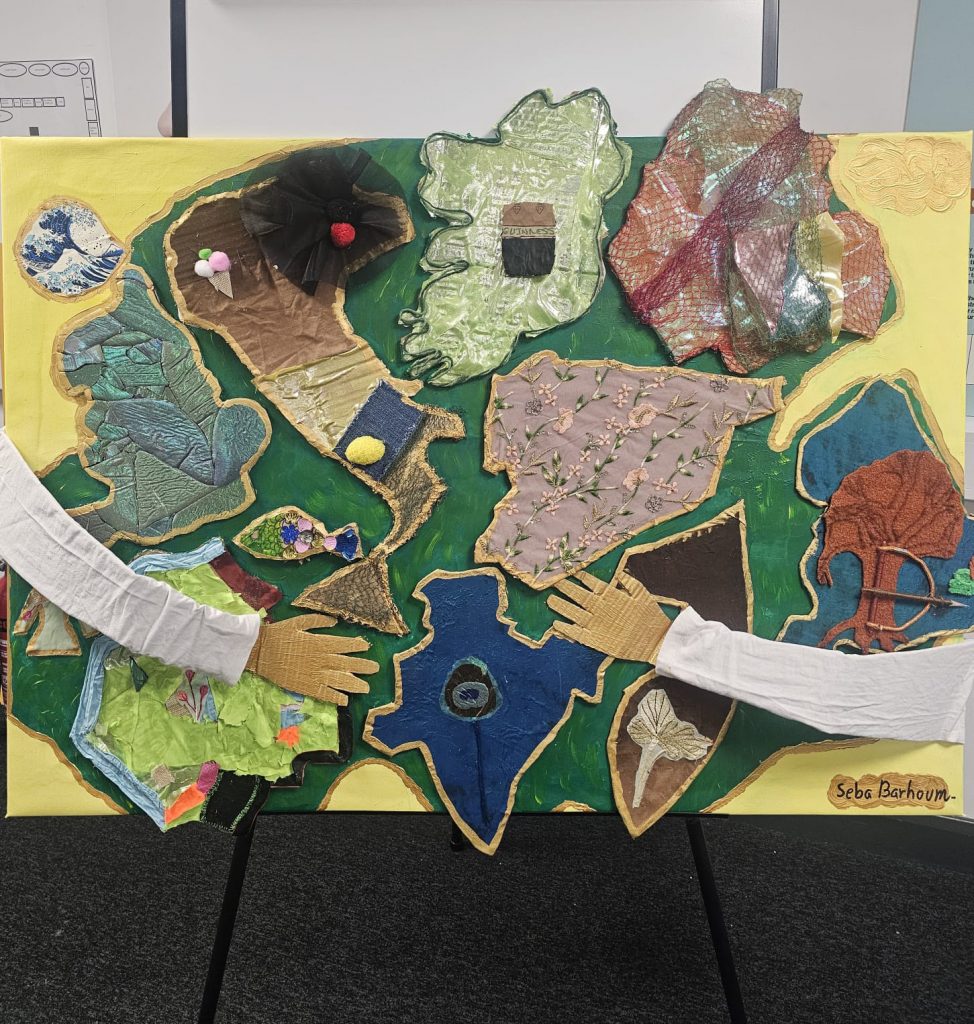
Maps, fabric and being embraced
One workshop Seba describes brings together many parts of her practice: recycling, fabric, storytelling, identity and welcome.
The workshop began with a practical idea. Seba wanted to teach people about recycling and about using the materials around them. This was not only an environmental message. It also came from lived experience.
She wanted to show that people do not always live in prosperity, and that circumstances such as war or cold days can force people to make what they need with their own hands and simple materials.
From there, the workshop moved into self-expression. Over four weeks, Seba asked participants to introduce themselves without words, using art instead. Each person formed a map of their country and decorated it with fabrics. They added landmarks, popular heritage, famous places or meaningful details from where they came from.
Through this, Seba could learn about part of each person’s personality.
The final stage brought the individual maps together. Seba created a map of Northern Ireland, arranged the different country maps around it, and placed arms around them. The image was direct and generous: Northern Ireland embracing people from different countries.
“I wanted to tell people Northern Ireland embraces our country,” she says. “The people here embraced us coming from different countries as refugees.”
The workshop turned personal identity into a shared artwork.
Each participant could show something of where they came from, while also becoming part of a wider image of welcome. It did not erase difference. It arranged difference into relationship.
For Seba, the meaning was clear. Northern Ireland had supported people who arrived from different countries, cultures and backgrounds. It had helped them “return to life” by treating them as human beings.
“This country embraced us and supported us and made us return to life,” she says, “without caring about our colour, race or culture, but treating us only as human beings.”
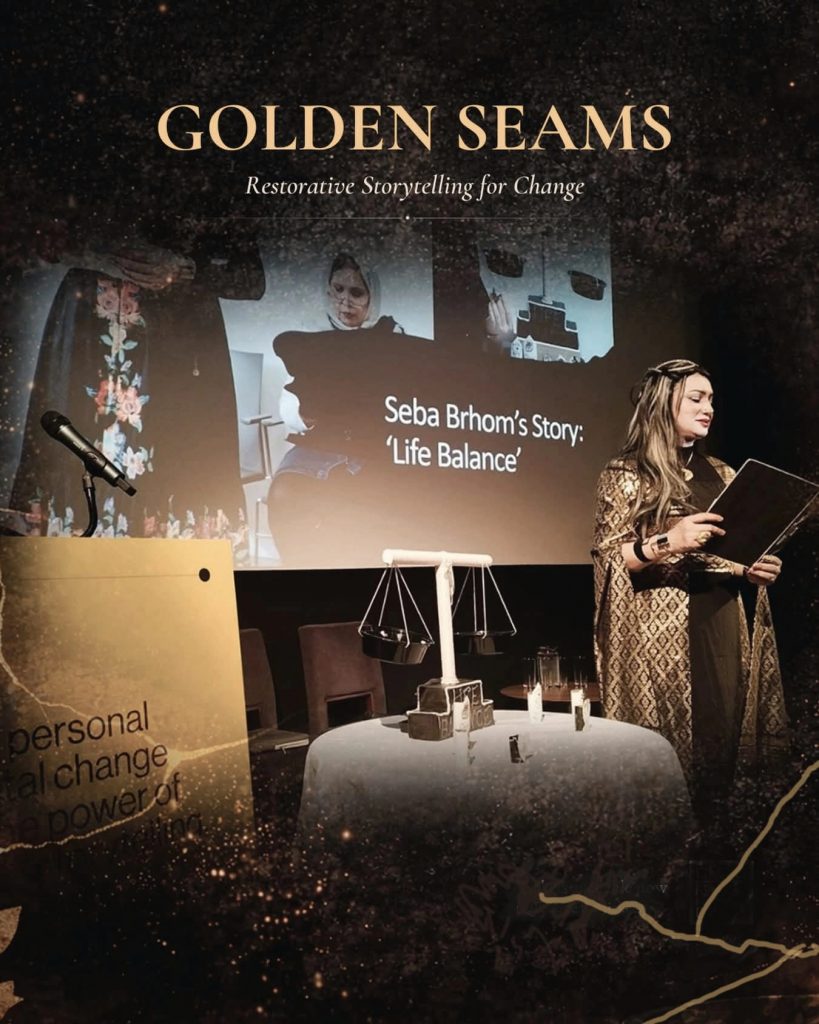
More than survival
Seba’s story contains war, displacement and refuge, but her work should not be reduced to survival alone. She is a teacher with long experience. She is an artist who works across drawing, fabric, ornamentation, lettering and community workshops. She is someone who learned from her mother, her teachers, her students, her new community and her own effort.
She speaks about pain, but also about joy. She speaks about welcome, but also about responsibility. She speaks about gratitude, but also about what she can give.
Her work insists that creativity is not a luxury. It is part of being alive. It is how people learn, remember, connect and begin again.
It can be found in books brought by a mother, in drawings shared in homework, in a classroom full of children, in a recycled fabric map, in an Arabic letter turned into pattern, in a smile from a stranger, and in an artwork offered to a city as thanks.
Seba believes in sharing beauty. She believes in giving without always asking what will return. She believes people keep learning until death. She believes students can teach the teacher. She believes art can introduce a person without words.
Through her work in Northern Ireland, Seba Brhom continues to bring together the parts of her life that could have been separated by displacement: the teacher, the artist, the learner, the Syrian woman, the refugee, the daughter who still carries love for parents she has not seen in more than ten years, and the person who wants to give back.
In her own words, she came here and found herself. She felt she was still alive.
Now, through art, she helps others feel seen too.
Keep up with Seba via social media: @sebabrhom
Support Go Leor. Get the Print. Join the Story.
Go Leor is an independent Irish arts magazine built by hand, heart, and community. Your support keeps meaningful storytelling alive – in print, in culture, and in conversation.
Through Patreon, you can support the magazine in two simple ways:
- Supporter Listing
Have your name printed inside every issue as part of the community helping Go Leor grow. - Print Copy – UK & Ireland
Receive the latest print issue delivered each month across the UK and Ireland, with your name included inside the magazine.
The Latest Articles
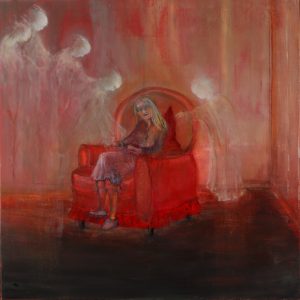

Maria Noonan-McDermott: Where Memory Becomes Art
Transforming intimate family memories into paintings and poetry, her work invites others to recognise stories of their own.
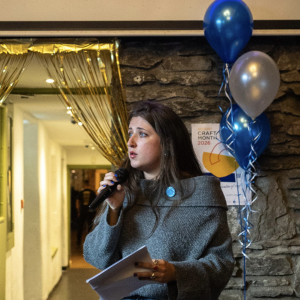
Rosina Law-Braney: Reclaiming the Seven Deadly Sins
Through zines, illustration and humour, Rosina Law-Braney creates vibrant feminist stories that make room for identity, desire, grief and collective creative freedom.
Alexander Edward: Weaving from the Land
Growing his own willow beside Strangford Lough, Alexander Edward brings coppicing, landwork and an ancient craft into bold contemporary forms.
John Britton: Finding Calm Through Ink
After three decades of visceral performance and constant travel, John Britton has found a quieter connection through ink, mentorship and calm.
Yvonne Moore: Following Curiosity into Colour
Refusing to settle into a single style, Yvonne Moore follows curiosity across colour, poetry and community, creating art that brings her – and those around her – fully to life.
Lucy Fleming: Carrying the North Coast Light
Through fluorescent colour, oil pastel and an instinct for collaboration, Lucy Fleming turns the light of the North Coast into images that connect art, music and community.