Alison Pascoe

ASTRL Fibres

A practice rooted in heritage craft, where knotting, material and teaching become a language of connection across place and people

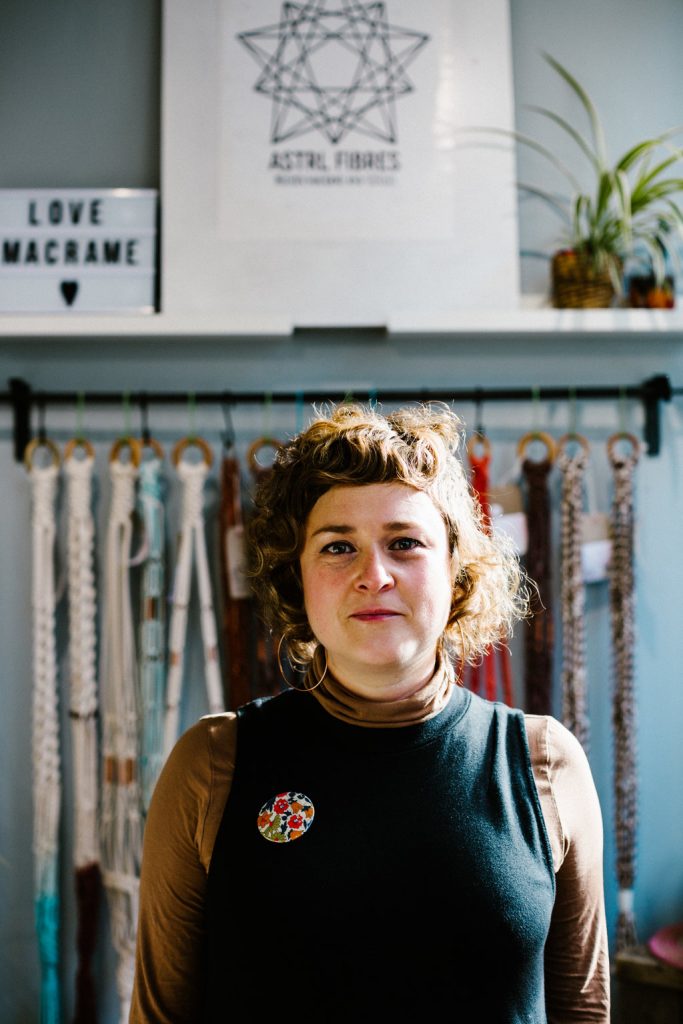
Photograph: Jess Lowe

Alison Pascoe’s work begins long before ASTRL Fibres was ever named. It begins in Calgary, growing up in a home where making wasn’t a hobby – it was simply part of life.

Her father, a self-employed welder and builder, could “build anything,” while the women in her family carried forward generations of textile knowledge – quilting, stitching, working with fabric in ways that were both practical and expressive. 

It was an environment where craft wasn’t separated from daily life, but embedded within it.

“I always wanted to be in the creative industry,” she recalls. “Even as a child, it was always artist or writer – it had to be something like that.”

That instinct led her to study sculpture and textiles at the Alberta College of Art and Design before life – as it often does – took her elsewhere. 

Travel, work, and eventually a move to Northern Ireland shifted her away from her own creative practice for a time.

What followed wasn’t a rejection of making, but a quiet absence of it.

And then, in 2016, something returned.

The Rhythm of the Knot

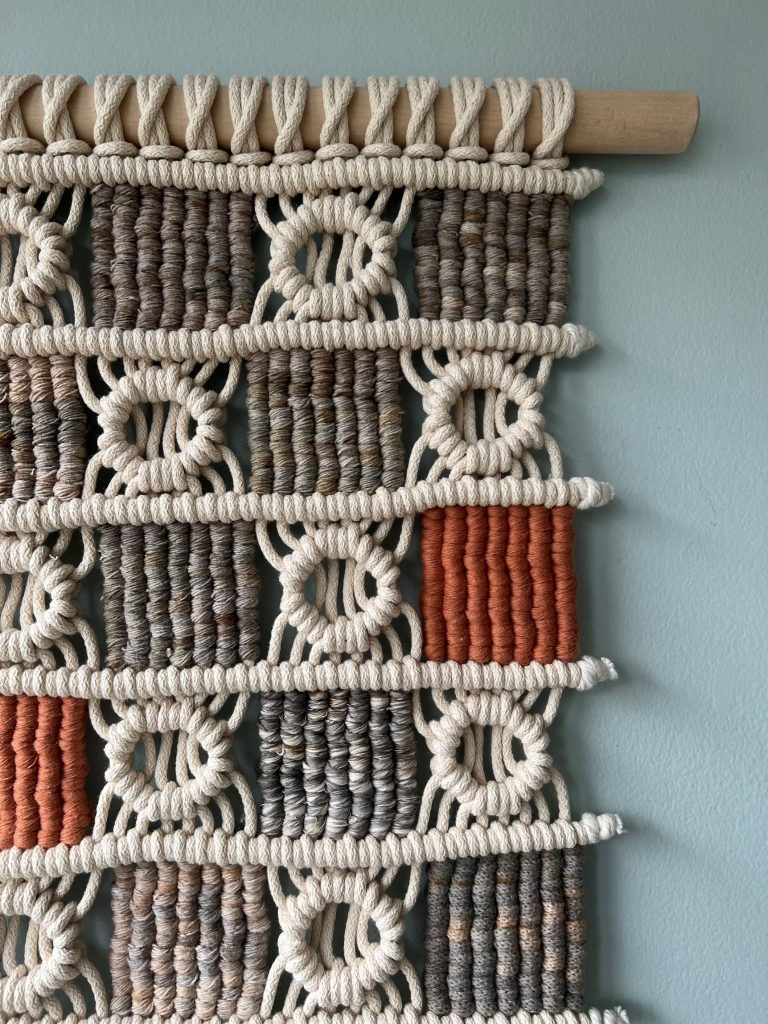
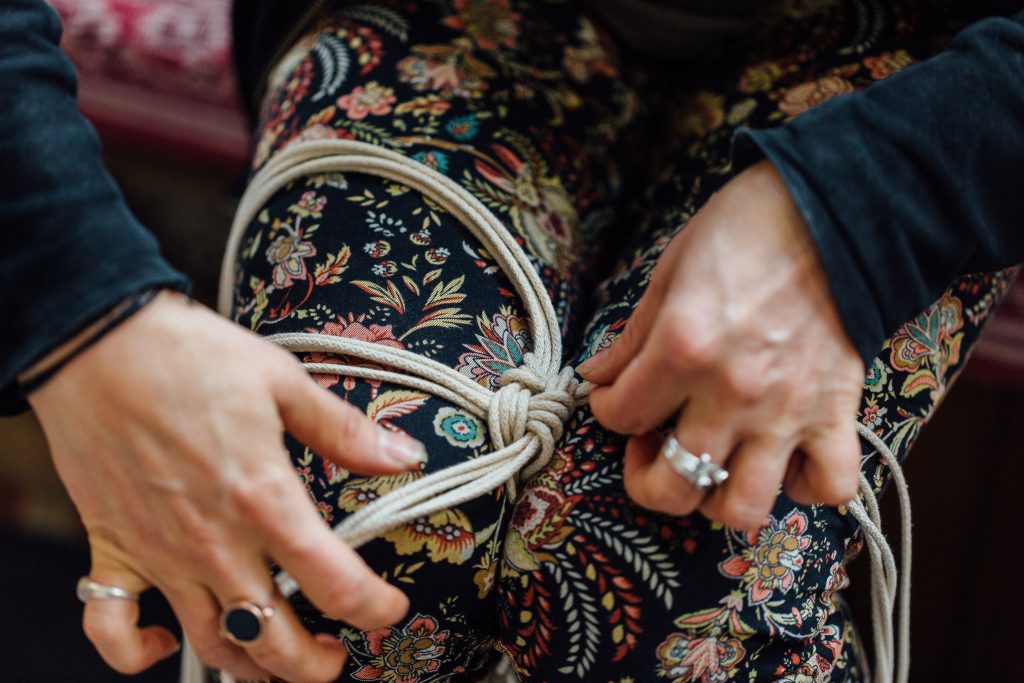
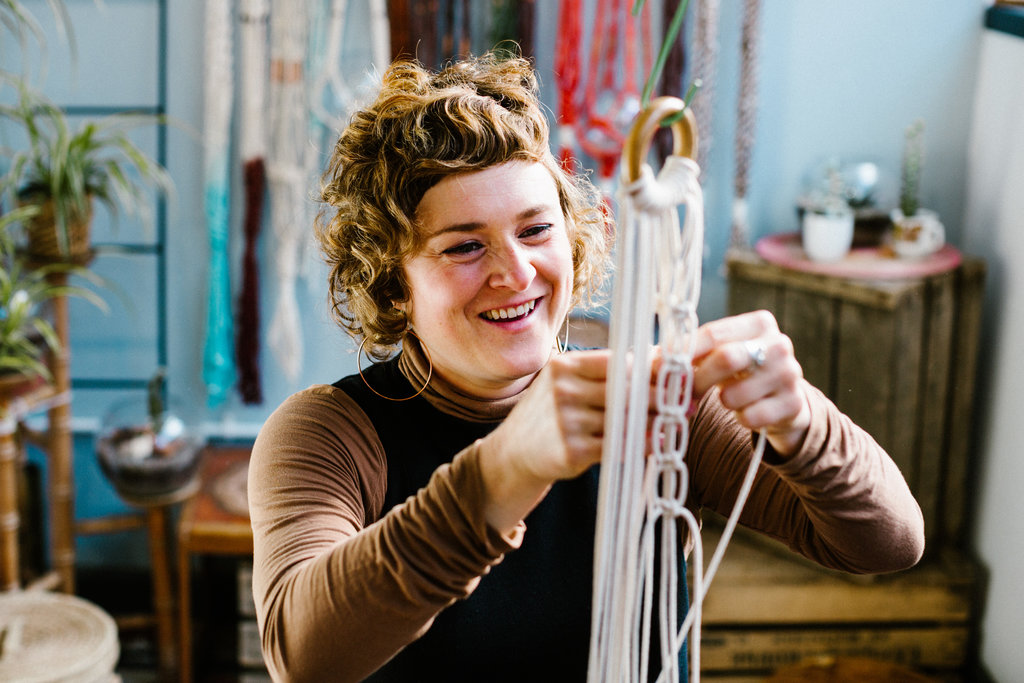
Macramé re-entered Pascoe’s life almost incidentally – not as a career move, but as a way to reconnect with something she had known instinctively as a child. Making bracelets as a teenager had once been casual, almost throwaway. Now, it became something else entirely.

“I just started practicing it as a way to relax,” she says. “And then eventually realised – God, I love this.”

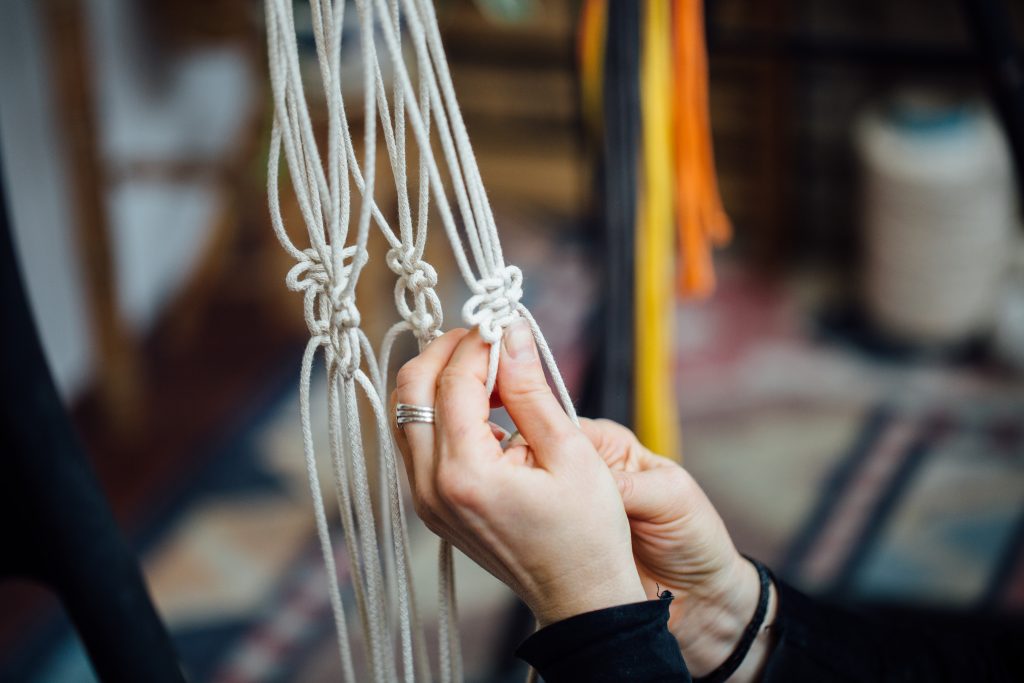
What drew her in wasn’t just the material, but the process itself. Macramé offered a rhythm – repetitive, meditative, structured yet open-ended. A single strand could be multiplied, layered, and transformed into something intricate and expressive.

“There’s something about taking a single strand and lining up a whole bunch of them… and creating something so complex and decorative,” she explains.

That process – part logic, part intuition – became central to her thinking. Despite never feeling at home with maths in school, she found herself drawn to the hidden geometry and problem-solving within knotting.

“It’s like it sparked that part of my brain… I realised I’m actually quite good at working it out.”

What began as a personal return soon became something more defined. ASTRL Fibres emerged not just as a business, but as a framework for a way of working – one rooted in craft, but open to exploration.

Building a Practice in Northern Ireland

Now based in Northern Ireland, Pascoe’s practice sits within a wider ecosystem of making – one that spans both her own studio work and her involvement in conservation.

Working alongside Decowell Restoration dealing with historic interiors, restoration, and heritage sites, she occupies a space where past and present are constantly in dialogue. From projects connected to venues like the Grand Opera House to training programmes bringing in international specialists, this environment feeds directly into her own work.

“It’s a really interesting sector to work in… and I think it’s influenced a lot of my own work as well.”

There is a clear crossover here – not just in skill, but in perspective. Conservation requires precision, patience, and respect for history. These same qualities underpin her fibre practice, where technique and tradition are never far from the surface.

At the same time, building ASTRL Fibres demanded something else entirely: the ability to navigate the realities of self-employment – administration, organisation, and the often unseen labour that supports creative work.

“All these different skills… you have to draw from them,” she says.

Expanding the Language of Fibre

While macramé formed the foundation of her work, Pascoe’s practice has steadily expanded into more specialised and historically rich techniques.

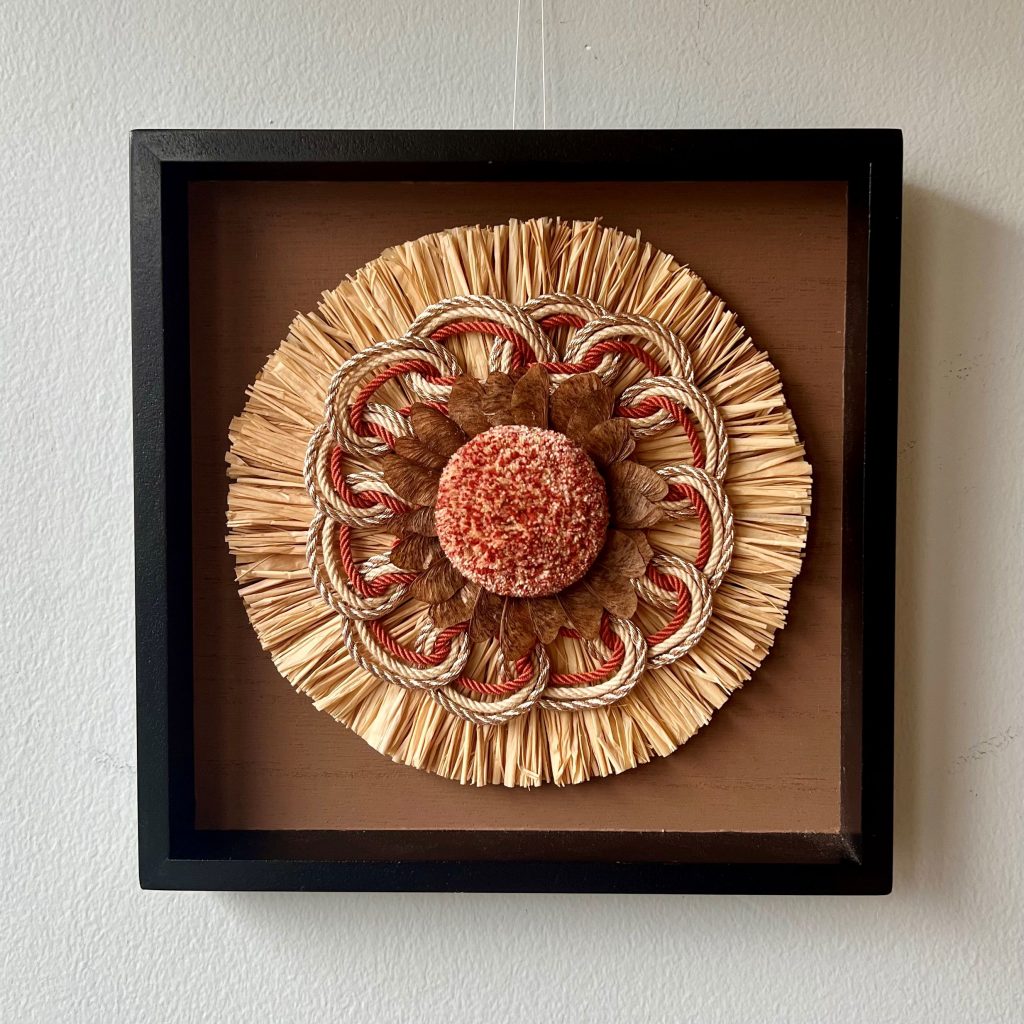
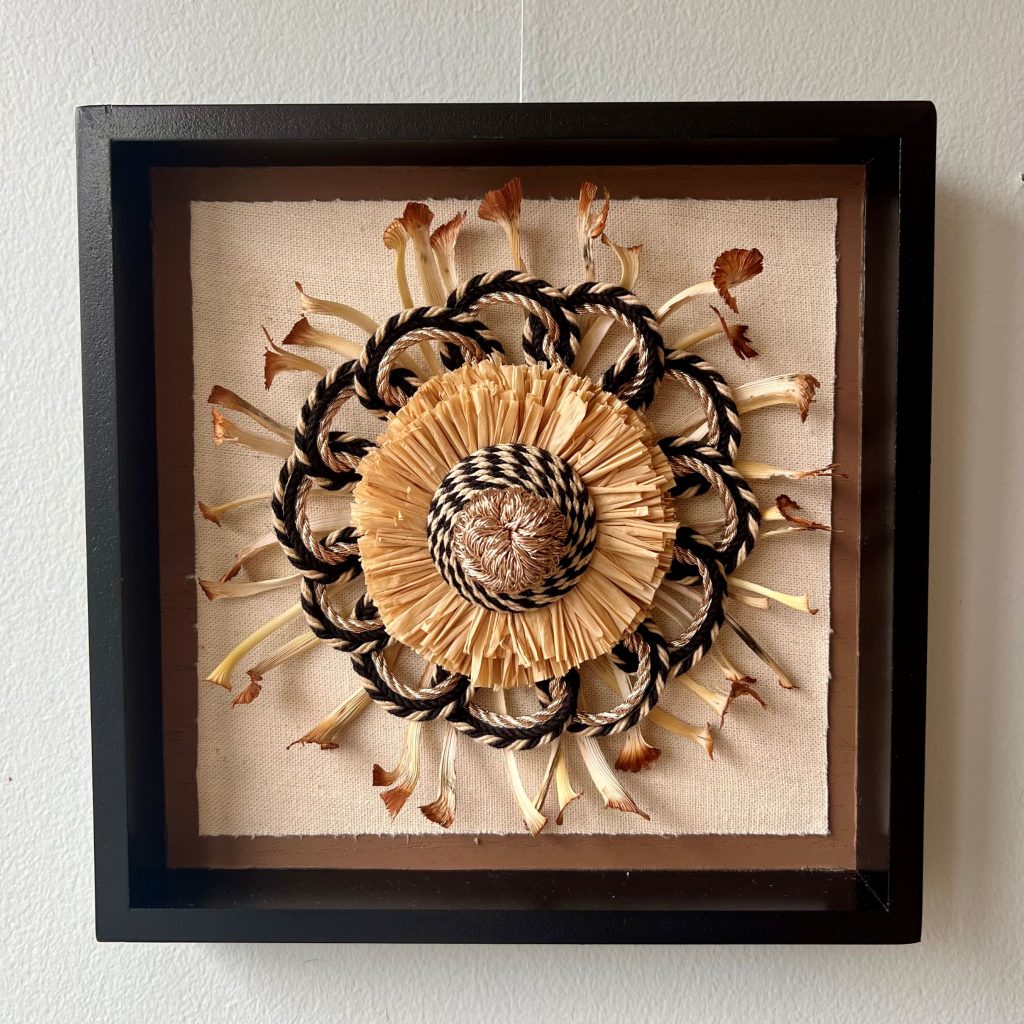
A turning point came through her discovery of passementerie – the elaborate art of decorative trimming, once central to European interiors and fashion, now an endangered craft on The Heritage Crafts Red List.

“I didn’t even know the name of it at first,” she says. “But I was captivated by it.”

That curiosity led to a 2024 training bursary from Heritage Crafts, allowing her to study directly with Elizabeth Ashdown. Alongside this, she trained in ply-split braiding with Julie Hedges and explored traditional Japanese braiding (Kumihimo) with Jaqui Carey.

Each of these disciplines carries its own history – from the courts of Europe to the traditions of northwest India and Japan – yet Pascoe approaches them not as static forms, but as evolving systems.

“You kind of fall into a rabbit hole with it,” she says. “But it’s so fascinating.”

Between Art and Function

Pascoe often describes her work as existing in a space between art and craft, between function and expression.
Her own framing is simple: rooted in craft, shaped by curiosity.

The craftsperson, she explains, is concerned with precision – how something is made, how it holds together, how it functions. The artist, by contrast, asks different questions: what happens if this is pushed further, turned slightly, disrupted?

“It’s like – how do I do that? But also, how can I do that differently?”

This balance is particularly evident in her engagement with endangered techniques. Alongside attempting to revive them in their original form, she looks for ways to recontextualise them – introducing them to new audiences through contemporary work.

“I’m not trying to reinvent the wheel… I want to take those things and see how I can create new work that introduces that skill to a wider audience.”

Material, Value, and the Land

Material plays a central role in this process – not just in terms of aesthetics, but in what it represents.

Traditionally, techniques like passementerie relied on highly ornate, expensive materials – gold threads, fine silks, markers of status and wealth. Pascoe’s work shifts that perspective.

Instead, she looks to what is available locally – fibres gathered from the landscape, materials that might once have been overlooked.

“How can I make things with fibres I’ve foraged from a hedge?” she asks.

This approach reframes value itself. Where once prestige was tied to rarity and expense, her work suggests a different hierarchy – one rooted in sustainability, locality, and connection to place.

There are practical considerations too. Working in Northern Ireland, sourcing materials can be unexpectedly difficult, even for something as historically embedded as linen.

“It’s surprising how hard it is to find good local linen thread,” she notes.

In response, she has begun creating her own cords using a cord walk – opening up new possibilities for customisation, experimentation, and independence from external supply chains.

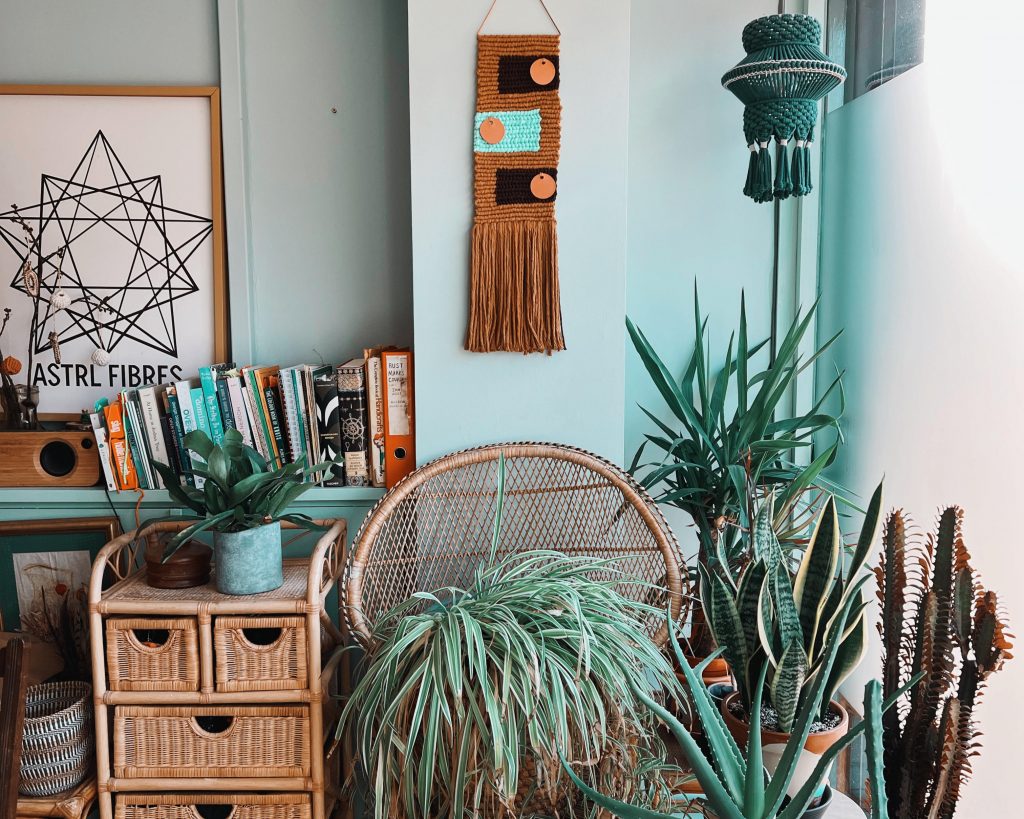
Photograph: Ruth Kelly - Native Ivy

Teaching, Community, and Connection

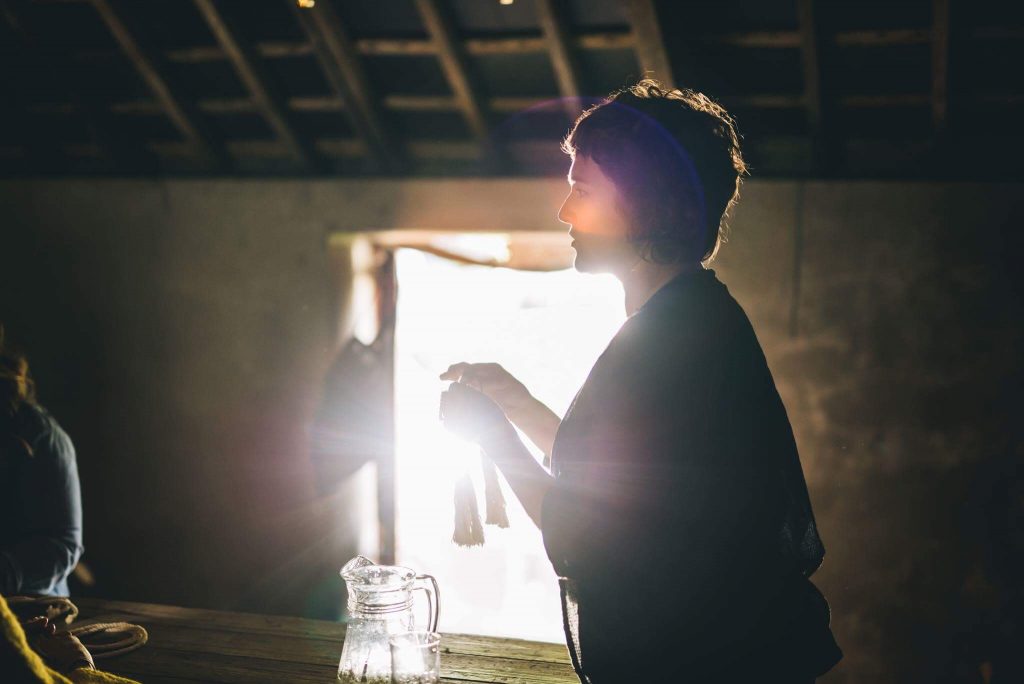
If making is the foundation of Pascoe’s practice, teaching is its extension.

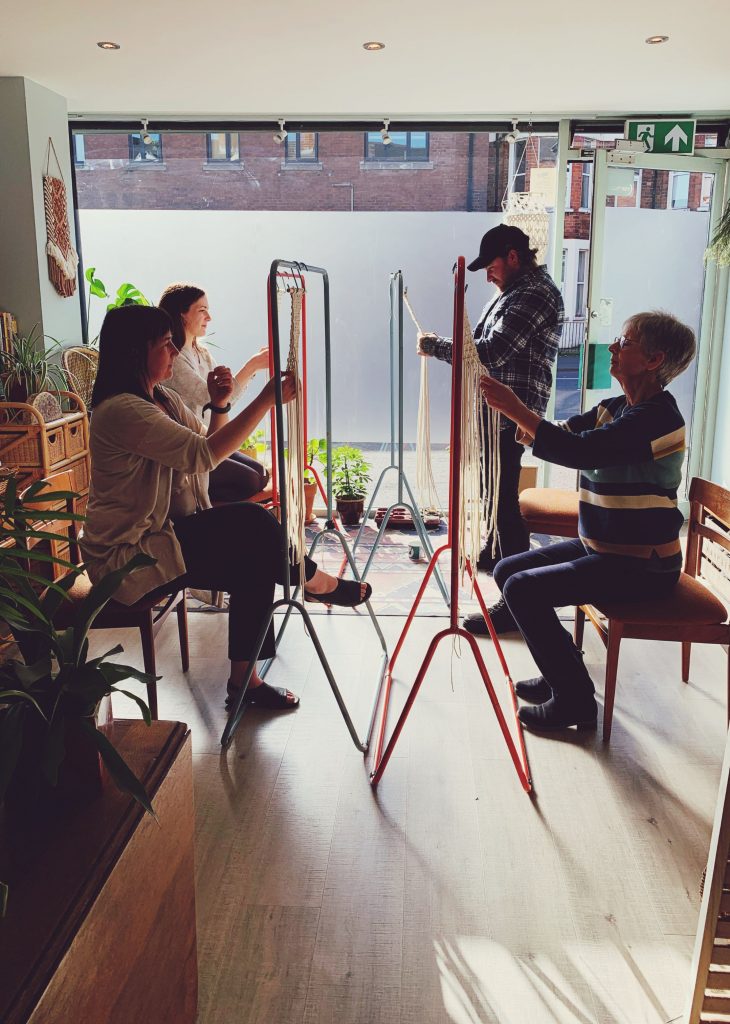
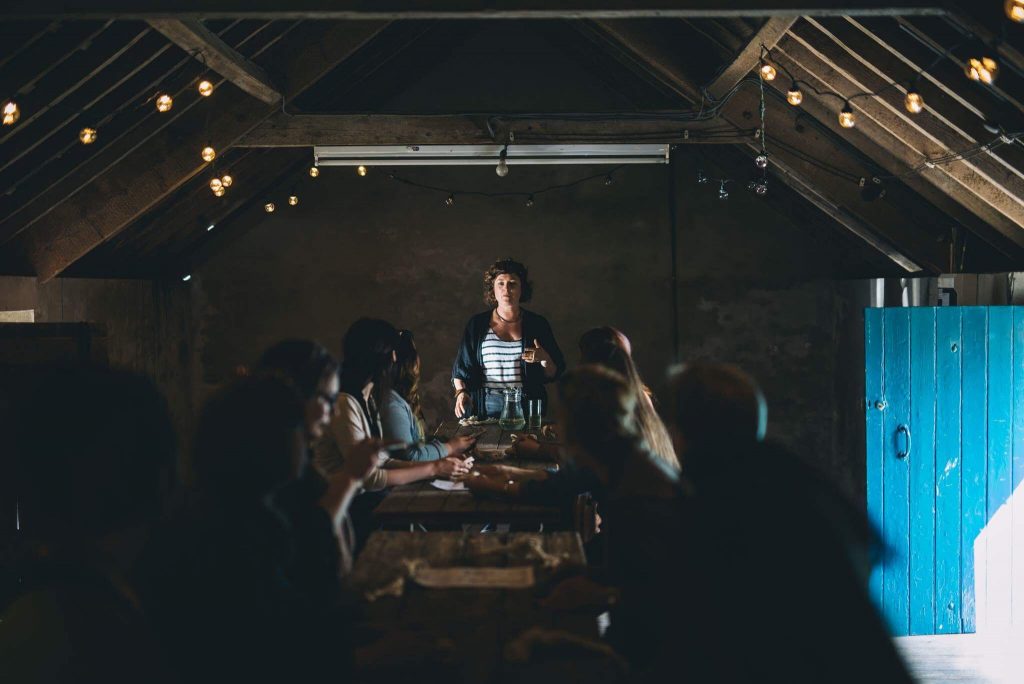
Workshops, one-to-one tuition, and community projects form a significant part of her work – not as an addition, but as something integral.

Initially, teaching emerged in response to demand. People wanted to learn, and Pascoe felt comfortable guiding them. Over time, however, it has taken on a deeper meaning.

“Craft is just such a good connector,” she says.

In a workshop setting, the act of making becomes shared. People arrive for different reasons – curiosity, creativity, experience – but the process itself creates a space for connection.

“Everybody has a story… why they’re making, who they’re making it for.”

There is also a broader responsibility at play. Many of the techniques Pascoe works with are rare, passed through limited lineages. Teaching becomes a way of extending that lineage – ensuring that knowledge continues to move forward.

“Once you pass that on, it’s started… that line continues.”
Photograph: Kat Mervyn

Thinking With Your Hands

Underlying everything in Pascoe’s practice is a simple but powerful idea: thinking with your hands.

In a world increasingly defined by screens, speed, and abstraction, craft offers something different – a physical, grounded way of engaging with the world.

“It’s about stepping out of your busy life… switching off for a bit,” she says.

The repetition of movement, the focus on material, the shared space of making – all of it contributes to a slower, more attentive way of working. But it is not passive. It is active, engaged, and deeply human.

For Pascoe, this is where the real value of craft lies – not just in what is produced, but in what is experienced along the way.

Photograph: Jess Lowe

A Living Practice

ASTRL Fibres is not a fixed endpoint. It is a practice still unfolding – shaped by new techniques, new materials, and ongoing exploration.

There are still skills to learn, materials to source, and ideas to test. The “10,000 hours” she references is not a benchmark already reached, but something actively in progress.

And perhaps that is the point.

Pascoe’s work doesn’t seek to close a loop or define a finished form. Instead, it keeps things open – a continuous conversation between past and present, between craft and curiosity, between the individual and the collective.

One strand, connected to another.

To explore Alison’s work at ASTRL Fibres – from macramé and passementerie to braids, cords, and cane and cord weaving – visit her website: astrlfibres.com
Join upcoming hands-on workshops at ASTRL Fibres, including a Macramé Coaster Workshop on Wednesday 27th May, and a Macramé Bag Workshop running on Tuesday 2nd June and Wednesday 3rd June: astrlfibres.com/collections/workshops
To follow Alison’s ongoing reflections on craft, materials, and the traditions that shape her work, visit The Language of Knots on Substack: astrlfibres.substack.com
And keep up with her via social media: @astrlfibres

Support Go Leor. Get the Print. Join the Story.

Go Leor is an independent Irish arts magazine built by hand, heart, and community. Your support keeps meaningful storytelling alive – in print, in culture, and in conversation.

Through Patreon, you can support the magazine in two simple ways:

  • Supporter Listing
    Have your name printed inside every issue as part of the community helping Go Leor grow.
  • Print Copy – UK & Ireland
    Receive the latest print issue delivered each month across the UK and Ireland, with your name included inside the magazine.

The Latest Articles